eSIM Worldwide Guide: Your 2025 Travel Connectivity Companion
Written By:
Umi
Imagine arriving in a new country and instantly enjoying high-speed data on your device, no more SIM swaps, Wi-Fi hunts, or shocking roaming bills. If you’ve ever felt disconnected or stressed about staying online abroad, you’re not alone.
This guide is your trusted roadmap to esim worldwide travel in 2025. We’ll break down what eSIMs are, where they work, how to set one up, compare top providers, and share expert tips for safe, reliable connectivity.
Ready to travel smarter and stay seamlessly connected wherever you go? Let’s dive in together.
Understanding eSIM Technology: The Future of Travel Connectivity
Imagine landing in Tokyo, Paris, or Cape Town and instantly connecting to high-speed data, all without swapping SIM cards or hunting for local stores. That’s the promise of worldwide eSIM, a technology reshaping how we stay connected across borders.

What is an eSIM and How Is It Different?
An eSIM, or embedded SIM, is a tiny chip built directly into your device. Unlike traditional SIM cards you physically insert and swap, eSIMs are rewritable and managed digitally.
With worldwide eSIM, you can remotely download and activate new carrier profiles, making it possible to switch between plans in seconds, no plastic cards, no tiny trays to fumble with at the airport.
The Evolution: From Physical SIMs to Embedded SIMs
Let’s take a quick journey. Early mobile phones used full-sized SIM cards, which shrank over the years to mini, micro, and nano formats. Now, with worldwide eSIM, the SIM is embedded into your device’s hardware.
This leap means you’re no longer limited by physical slots. You can store multiple operator profiles and switch as needed. The mobile industry is rapidly embracing this future, with projections showing over 6 billion eSIM-enabled devices in use by 2025 (eSIM adoption statistics 2025). That’s a massive shift toward universal, borderless connectivity.
How eSIMs Work: Remote Provisioning and Instant Activation
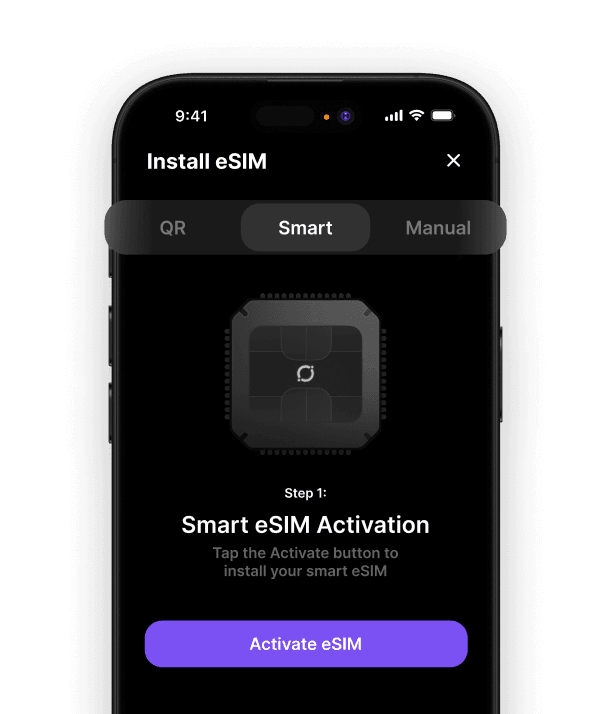
The real magic of worldwide eSIM lies in remote provisioning. When you purchase an eSIM plan, you receive a QR code or activation code. Scan it, and your device securely downloads the carrier profile over the air.
You can set up, activate, and even switch between multiple eSIM profiles on the go. Many devices allow dual SIM functionality, so you can keep your home number active while using a local or global data plan. Instant activation means you can be online moments after landing, wherever you are.
Device Compatibility in 2025: Phones, Tablets, and Wearables
By 2025, most flagship smartphones, tablets, and even smartwatches support worldwide eSIM. Here’s a quick overview:
Device Type | Leading Brands Supporting eSIM |
|---|---|
Smartphones | iPhone, Samsung Galaxy, Google Pixel, Huawei |
Tablets | iPad, Samsung Tab, Microsoft Surface Pro |
Wearables | Apple Watch, Samsung Galaxy Watch, Garmin |
To check if your device is compatible, visit your manufacturer’s website or check your device’s settings for “Add eSIM” or “Mobile Plans.”
Advantages for Travellers Using worldwide eSIM
Travellers are embracing worldwide eSIM for good reason. Here’s why:
Flexibility: Switch between local and global plans with a few taps.
Instant Setup: No waiting for physical SIM delivery or searching local shops.
Dual SIM: Use your home number and a travel plan simultaneously.
Reduced Risk: No tiny SIMs to lose or damage.
Eco-Friendly: Less plastic waste from disposable SIM cards.
These benefits mean less hassle, more freedom, and smoother journeys wherever you roam.
Security and Privacy: A Safer Way to Connect
With worldwide eSIM, your profiles are securely downloaded and encrypted, reducing the risk of SIM swap fraud, a common issue with traditional SIM cards. Your identity is better protected, and you can manage your plans directly from your device, minimizing exposure to scams or theft.
Real-World Scenario: Effortless Plan Switching on the Road
Picture a digital nomad travelling from Berlin to Bangkok. Instead of juggling multiple SIMs, they use worldwide eSIM to store both European and Asian data plans on their phone. With just a tap, they switch to the local network upon arrival, enjoying fast, reliable data without missing a beat.
As we move into 2025, worldwide eSIM is set to make global travel more connected, secure, and stress-free than ever before.
Worldwide eSIM Coverage: Where Can You Stay Connected?
Staying connected while travelling is more than a convenience, it's a game changer. With worldwide eSIM coverage expanding at record speed, travellers now have the power to stay online almost anywhere. Let's explore how this technology is reshaping global connectivity and what you can expect in 2025.

Global Reach and Regional Differences
An eSIM worldwide landscape now spans over 200 countries and territories, making it easier than ever to stay connected wherever you roam. Regions like Europe, Asia-Pacific, and North America boast the most extensive eSIM support, with travellers enjoying seamless switching between local networks.
Emerging markets in Africa, the Middle East, and South America are catching up quickly. However, data plan options and speeds can vary widely. For example, while Japan offers ultra-fast 5G eSIM plans, some South American countries still rely on 4G networks with limited package choices.
Here's a quick snapshot of regional eSIM coverage:
Region | Network Support | Typical Data Speeds | Plan Variety |
|---|---|---|---|
Europe | Excellent | 4G/5G | Wide |
Asia-Pacific | Excellent | 4G/5G | Wide |
North America | Excellent | 4G/5G | Wide |
South America | Good | 3G/4G | Moderate |
Africa | Growing | 3G/4G | Limited |
Middle East | Growing | 4G/5G | Moderate |
Local providers often offer better rates and higher speeds, but global eSIM providers bring unmatched convenience for those hopping across borders. For instance, eSIM connectivity in Australia highlights strong network access and flexible plans for both residents and visitors.
A real-world comparison: using worldwide eSIM in Japan typically means blazing-fast speeds and a wide choice of plans, while Brazil might present more modest options. According to GSMA, 85% of mobile operators are expected to offer eSIM by 2025, a leap forward for global travellers.
Navigating Network Quality and Roaming
One of the biggest perks of worldwide eSIM services is direct access to top local networks. Instead of paying sky-high roaming fees, you can use local data plans for faster, more reliable connections.
How does this work? Your eSIM profile lets your device automatically connect to the strongest available carrier in your area. This means you’re not stuck with a single network, your phone actively seeks out the best signal, whether you’re in Paris, Tokyo, or New York.
The difference between roaming and local eSIM plans is significant. Roaming often costs 50-90% more than local eSIM options, and the performance can lag. With the rise of 5G (and early 6G tests on the horizon), worldwide eSIM users can expect even better speeds and coverage going forward.
Travellers have reported impressive speed test results using eSIMs at major airports, from Heathrow to Changi. The ability to switch networks on the fly ensures you’re always connected, no matter where your journey takes you.
Regulatory Considerations and Restrictions
While worldwide eSIM coverage is expanding, some countries still have restrictions or special requirements. China, Turkey, and a few others limit eSIM activation or require in-person registration.
Privacy laws also vary. For example, India has strict rules about registering your identity, while France offers a more streamlined process. Before your trip, check the latest rules for your destination.
Here are some tips for staying compliant with worldwide eSIM regulations:
Research eSIM registration requirements for each country.
Keep your passport and travel documents handy for activation.
Use reputable providers to protect your data and privacy.
Navigating these hurdles is much easier with a little preparation. By understanding the landscape, you can enjoy secure, seamless connectivity wherever you go.
How to Set Up and Use an eSIM for Global Travel
Getting started with worldwide eSIM connectivity is easier than you might think. No more fumbling with tiny SIM cards or worrying about losing your number. With a few simple steps, you can unlock fast, secure mobile data wherever your journey takes you. Let’s walk through the process together, making sure you’re ready to stay connected in every corner of the globe.

Step 1: Check Device Compatibility and Unlock Status
Before you can enjoy worldwide eSIM coverage, it’s essential to confirm your device supports eSIM technology and is unlocked. Most major smartphones, tablets, and wearables released in 2025, like the iPhone 15 series, Samsung Galaxy S24, and Google Pixel 9, feature built-in eSIM support.
To check compatibility:
Visit your device’s settings and look for “Cellular” or “Mobile Network” options.
Search for “Add eSIM” or “Add Mobile Plan.”
Confirm your device is unlocked (not tied to a carrier).
If you’re unsure, check your manufacturer’s website or reach out to customer support. Taking this step ensures your worldwide eSIM experience will be hassle-free from the start.
Step 2: Choosing the Right eSIM Provider and Plan
The next step in your worldwide eSIM journey is picking a provider and plan that fits your travel style. Consider where you’re going, how much data you’ll need, and how long you’ll be away.
Factors to compare:
Destination coverage (single country, regional, or global)
Data allowance and validity period
Price and refund policy
Customer support availability
For example, if you’re heading to France, you can explore eSIM plans for France travellers to find local options with excellent coverage and rates. For multi-country trips, global providers may offer more flexibility. Always read reviews and look for clear, transparent pricing when selecting your worldwide eSIM plan.
Step 3: Purchasing and Installing Your eSIM
Buying and installing your worldwide eSIM plan is quick and straightforward. Most providers let you purchase online or through their mobile app. After payment, you’ll receive a QR code or a manual activation code.
Here’s how to install:
Open your device’s “Add eSIM” or “Add Mobile Plan” setting.
Scan the QR code or enter the code manually.
Follow on-screen prompts to complete installation.
The whole process usually takes less than two minutes. With worldwide eSIM, you can skip the store lines and activate your data plan even at the airport right before departure.
Step 4: Activating and Managing Your Data Plan
When should you activate your worldwide eSIM plan? Some travellers prefer to set it up before leaving home, while others wait until they land. Either way, the process is simple.
You can:
Activate your plan instantly through your device or provider’s app.
Switch between multiple eSIM profiles (great for frequent travellers).
Monitor your data usage in real time.
Top up or purchase additional data as needed.
If you run into issues, most worldwide eSIM providers offer troubleshooting guides and responsive support. Managing your connection has never been easier or more flexible.
Step 5: Staying Secure and Connected Abroad
Security is crucial when using worldwide eSIM, especially on public Wi-Fi or in unfamiliar places. Set up your Access Point Name (APN) and enable data roaming as needed for best performance.
Tips for safe and seamless connectivity:
Use a VPN to protect your data on open networks.
Set up a PIN or biometric lock for your device.
Enable remote wipe features in case your phone is lost or stolen.
Use tethering/hotspot features to share your worldwide eSIM data with other devices.
Know what to do if you lose connectivity, keep emergency contact info and offline maps handy.
By following these steps, you’ll enjoy reliable worldwide eSIM coverage and peace of mind, no matter where your adventures take you.
Comparing Top eSIM Providers for Global Travellers
Staying connected globally is easier than ever, but with so many worldwide eSIM providers, how do you choose the best one for your next adventure? Let’s break down the top brands, compare features and pricing, and arm you with a checklist to find your perfect travel companion.

Major Global eSIM Brands and Offerings
A worldwide eSIM landscape is rapidly expanding, giving travellers a variety of trusted providers to choose from. Leading names like Airalo, Nomad, Holafly, Ubigi, and Umi offer extensive coverage, flexible plans, and user-friendly apps. Their global reach now covers over 200 countries, catering to everyone from casual tourists to digital nomads.
Here’s a quick look at how these providers stack up:
Provider | Coverage (Countries) | Plan Types | App Support | Trustpilot Score |
|---|---|---|---|---|
Airalo | 200+ | Local/Regional/Global | Yes | 4.5 |
Nomad | 110+ | Local/Regional | Yes | 4.3 |
Holafly | 160+ | Unlimited/Data | Yes | 4.7 |
Ubigi | 190+ | Regional/Global | Yes | 4.4 |
Umi | 200+ | Flexible/Group | Yes | 4.6 |
Each provider brings something unique to a global eSIM market. For example, Umi stands out with persistent eSIMs and group data sharing, while Airalo excels at offering budget-friendly, country-specific data packs.
Coverage maps and plan flexibility can vary. Some brands, like Holafly, offer unlimited data options, while others focus on pay-as-you-go bundles. For a deeper dive into industry trends, check out these eSIM trends and insights for 2025.
Pricing, Features, and Customer Support Comparison
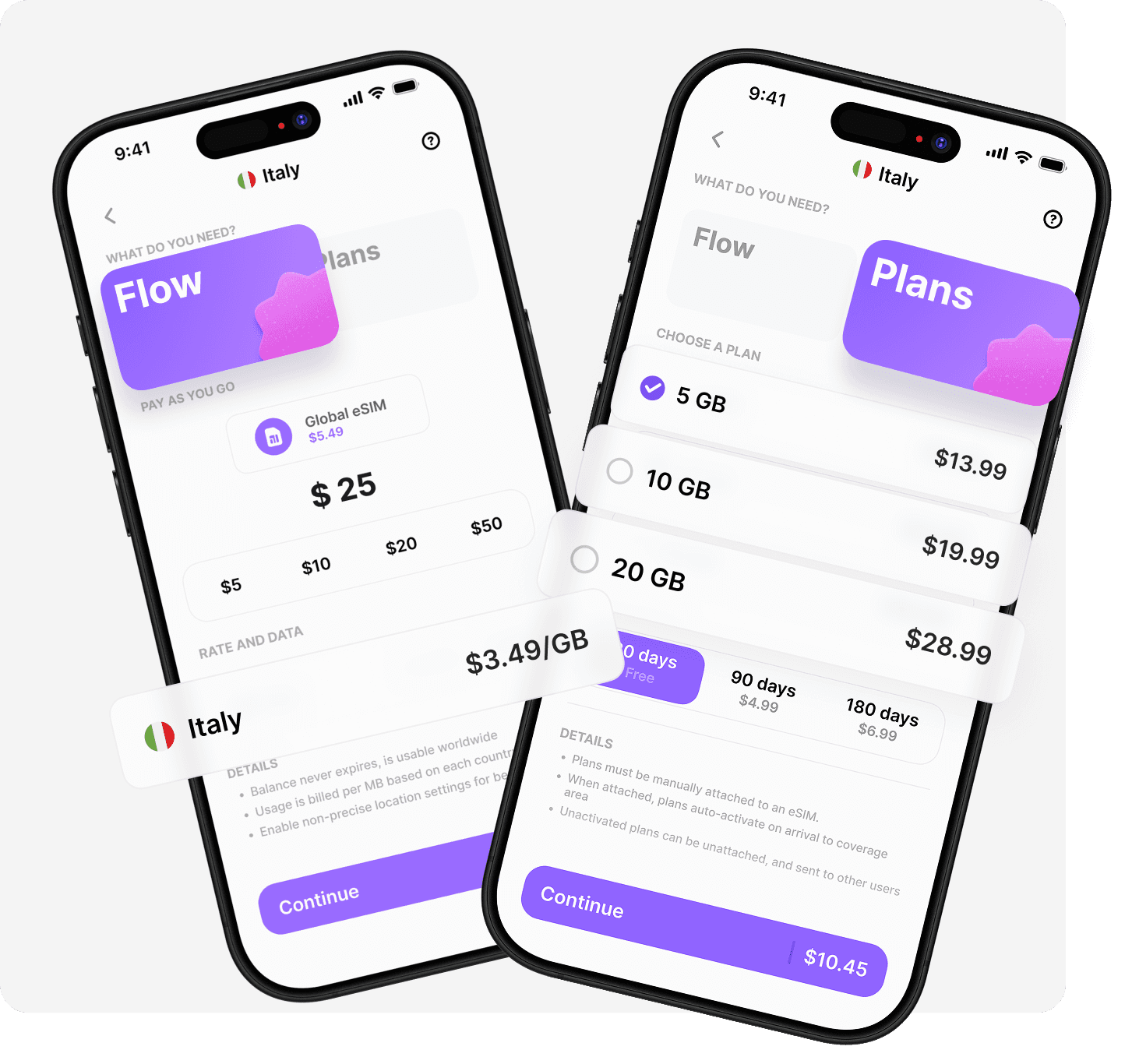
When comparing worldwide eSIM providers, price transparency and features can make or break your travel experience. Typical 10GB plans for Europe range from $20 to $40, while Asia and North America see similar pricing. Providers like Umi and Airalo are known for instant activation, real-time usage tracking, and easy top-ups via their apps.
Key features to consider include:
Instant eSIM activation
Data sharing and hotspot support
Regional and global bundles
App-based plan management
24/7 customer support
Many travellers report saving up to 60% compared to traditional roaming fees. User stories highlight how responsive support and clear refund policies can turn a travel hiccup into a quick fix. For instance, one traveller switched plans in minutes after landing in Tokyo, avoiding expensive airport SIM kiosks and staying connected with their worldwide eSIM provider.
Customer ratings are consistently high for providers with transparent pricing and robust support. Umi, for example, is praised for its user-friendly app and unique features like hotspot sharing and Umi Business for teams (shared data via Groups is coming soon).
What to Look for in an eSIM Provider
Choosing the right worldwide eSIM provider comes down to reliability, transparency, and flexibility. Before you buy, run through this quick checklist:
Is the provider reputable with positive reviews?
Are there hidden fees or unclear terms?
Can you manage your plan and top up easily via an app?
Does the provider offer real-time usage tracking?
Is customer support responsive and available 24/7?
Red flags include poor network quality, lack of support, or confusing activation steps. Opt for providers that make switching carriers simple and offer clear, upfront pricing. Use the table above to compare your options and ensure you get the most from your worldwide eSIM experience.
Expert Tips for Maximising Your eSIM Experience in 2025
Travelling with worldwide eSIM opens a world of convenience, but making the most of your eSIM takes a little know-how. Here’s how we can all travel smarter, safer, and more affordably with worldwide eSIM, wherever the road takes us.
Saving Money and Avoiding Common Pitfalls
When using worldwide eSIM, it’s easy to overspend if you’re not careful. The rapid growth of the eSIM market means more options and deals than ever; in fact, eSIM market size and trends show a dramatic increase in adoption and plan variety for 2025.
Here’s how to keep costs in check:
Estimate your data needs before your trip. Track your usual usage at home and add a buffer for navigation and sharing photos.
Compare plans across providers. Look for seasonal promotions and bundle discounts, especially if your trip covers multiple countries.
Avoid overlapping plans. Activate only one plan at a time to prevent double charges.
Monitor your usage with your provider’s app. Many travellers overbuy data, did you know 70% of users purchase more than they need?
Keep receipts and refund info handy, just in case you need support.
A quick table to help you plan:
Trip Length | Avg. Data Needed | Estimated Cost (USD) |
|---|---|---|
1 week | 3-5 GB | $10-$25 |
2 weeks | 7-10 GB | $20-$40 |
1 month | 15-20 GB | $30-$70 |
Being proactive with worldwide eSIM can easily save you $100 or more on longer journeys.
Security, Privacy, and Data Management
Security matters, especially when travelling with worldwide eSIM. Protecting your eSIM profile and personal data is just as important as securing your passport.
Set up device security: Use PINs, biometric locks, and enable remote wipe in case your phone is lost or stolen.
Back up your activation info. Keep a secure copy of your eSIM QR code or manual activation code in a password manager.
Use VPNs when accessing public Wi-Fi, especially for sensitive activities like banking.
Monitor your eSIM profile: Remove old or unused profiles to minimize risk.
Be cautious with personal data. Avoid sharing your device or credentials, even with acquaintances.
If your device goes missing, act fast: lock it remotely, contact your eSIM provider, and reset passwords for critical accounts. Practicing these habits with worldwide eSIM helps keep your travel memories safe and stress-free.
Multi-Device and Group Travel Strategies
Travelling with family or friends? worldwide eSIM makes staying connected together easier than ever.
Share data by turning your phone into a hotspot for tablets or laptops.
Manage multiple profiles: Many devices let you store several eSIMs, one for each country, or for work and personal use.
Group plans: Some providers offer data pooling. This suits teams that need flexible sharing.
Track usage for each device: Use provider apps to monitor how much data each person or gadget consumes.
Set limits: Prevent surprise overages by setting data caps in your device’s settings.
For example, a group can keep several devices online over one hotspot across Europe, avoiding the hassle of juggling multiple SIM cards. With worldwide eSIM, group travel feels less like herding cats and more like a well-coordinated adventure.
Staying Connected Off the Beaten Path
Even in remote areas, worldwide eSIM can keep you online, if you plan ahead. Coverage can be patchy, but a few smart moves help you stay connected.
Download offline maps and travel guides before leaving urban centres.
Carry a backup SIM or portable hotspot for emergencies in regions with limited eSIM coverage.
Use local Wi-Fi when available, but always secure your connection with a VPN.
Troubleshoot weak signals by switching carriers in your eSIM settings or relocating to higher ground.
Check provider coverage maps before your trip to understand where you’ll get the best speeds.
With worldwide eSIM, even a road trip through rural South America or hiking in the mountains doesn’t mean total disconnect. Plan for gaps, and you’ll always have a lifeline, no matter how far off the grid you wander.
We’ve covered a lot, how eSIMs make travel simpler, why global coverage matters, and the little things that make a big difference when you’re far from home. If you’re ready to leave behind the hassle of swapping SIMs and worrying about roaming, let’s take that next step together. With Umi, you get flexible data, easy app-based control, and smart features built for travel in 2025 and beyond. You deserve reliable, stress-free connectivity wherever you go, we all do. Ready to see how this works for your next adventure? Try Umi's Smart Global eSIM and travel connected, together with us.












" height="15.96587083656648px" id="gUt8q3MIs" width="13.557999603271485px"/></svg>)