Regular SIM vs. eSIM: Making the Right Choice for 2026
Jan 10, 2026
Written By:
Umi
TL;DR: Choosing Between Regular SIM and eSIM in 2026
• Regular SIM cards remain widely compatible and provide physical control, but can be inconvenient for frequent travelers or multi-device users as some manufacturers phase out SIM slots.
• eSIM technology offers instant activation, multiple profiles, and enhanced security, but has limited device support in certain regions and may face challenges in rural areas.
• While eSIMs generally reduce costs and manage multiple profiles seamlessly, regular SIMs are crucial for older devices, ensuring continuity in evolving markets.
• Future trends suggest a significant growth in eSIM adoption, with increasing opportunities in various tech applications, emphasizing the importance of choosing based on individual connectivity needs.
In 2026, choosing between a regular sim and eSIM is more important than ever as mobile connectivity rapidly evolves. With users craving more flexibility, better security, and maximum convenience, the regular sim versus eSIM debate is heating up.
Curious about which option fits your needs? We’ll break down how each technology works, highlight their pros and cons, and explore costs, device compatibility, security, and future trends. Join us as we guide you through the key differences, so you can confidently pick the perfect SIM solution for your lifestyle.
Understanding Regular SIM Cards in 2026
The regular sim remains a familiar companion for many of us, even as mobile technology races forward. Although the digital world is changing fast, millions still depend on this tiny chip to unlock the power of their devices. Let's explore what makes the regular sim tick, why it's held its ground for so long, and where it stands in 2026.
What is a Regular SIM Card?
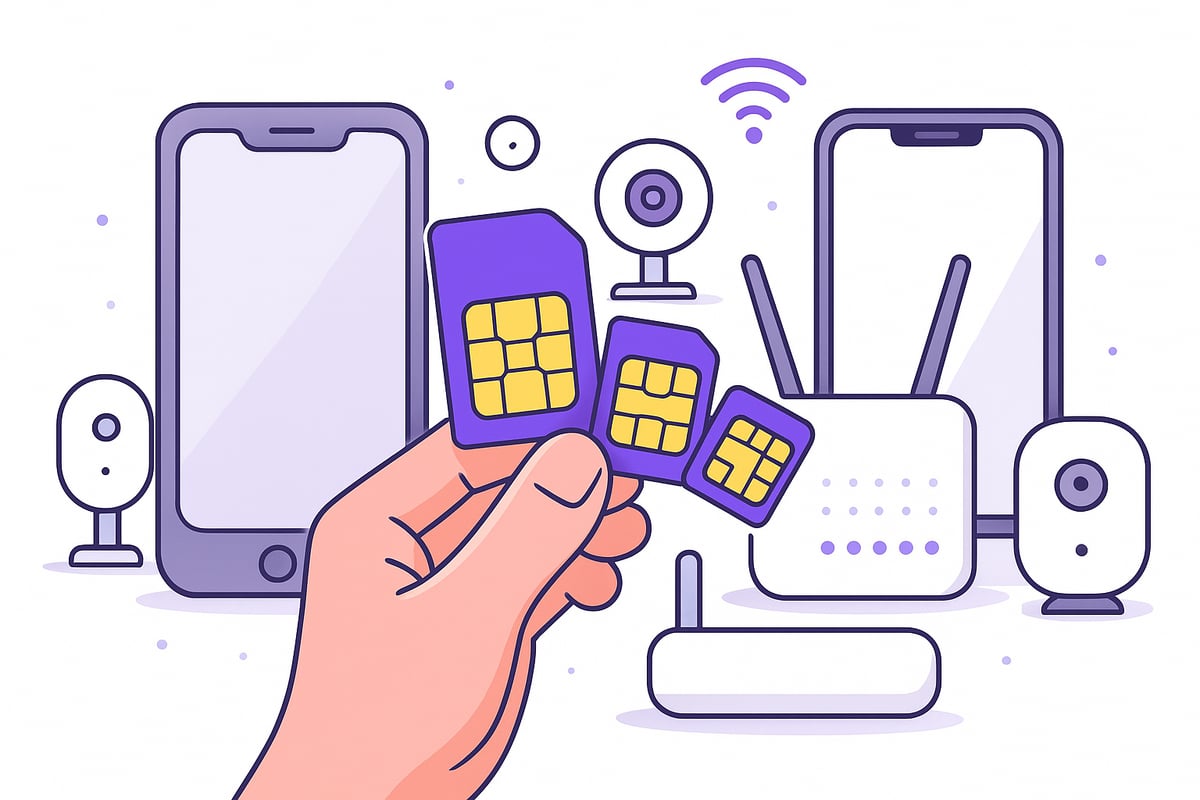
A regular sim, or Subscriber Identity Module, is a small chip that stores your mobile identity and connects your device to a carrier’s network. First introduced in the 1990s, SIM cards have evolved from credit card-sized originals to today’s nano, micro, and standard formats.
This physical chip holds key data, like your phone number and network credentials, making it essential for authenticating your device. In 2026, regular sim cards are still used in a wide variety of devices, from smartphones and tablets to routers and IoT gadgets.
Many prepaid phones and legacy devices continue to rely on the regular sim, making it a familiar choice for those who value simplicity and proven reliability.
Advantages of Regular SIM Cards
One of the biggest strengths of the regular sim is its universal compatibility. Most unlocked devices around the world still accept these physical cards, allowing you to swap between phones or carriers with ease.
Need to switch devices? Just pop your regular sim into another compatible phone, and you’re good to go. This hands-on control gives you extra peace of mind, especially if you value privacy or want to keep your data close.
Regular sim cards are also widely available, both at local shops and online. For travelers, picking up a local SIM for affordable data is still a popular option. If you’re curious about how people use multiple SIMs to maximize flexibility, check out these Multiple SIM card options for more ideas.
Limitations and Challenges in 2026
Despite its strengths, the regular sim faces new challenges in 2026. Swapping physical cards can be inconvenient, especially for frequent travelers or those managing several devices. There’s always a risk of losing, damaging, or even having your regular sim stolen, which can disrupt your connectivity and compromise your security.
Another issue is declining support in the latest flagship devices. As eSIM adoption grows, some manufacturers are phasing out regular sim slots. This trend can lead to activation delays or compatibility headaches, especially if your carrier is moving toward digital profiles.
Fraud remains a concern, with SIM card swapping attacks still reported in some regions. Market trends show a steady decline in regular sim sales, as more users and carriers embrace digital alternatives. Still, for many people, the regular sim offers a blend of control, choice, and familiarity that’s hard to beat.
What is eSIM and How Does It Work in 2026?
The world of mobile connectivity is evolving quickly, and eSIM technology is at the heart of this transformation. While many of us still remember the process of inserting a regular sim into our phones, eSIM is changing how we connect by making things simpler and more flexible than ever. But what exactly is an eSIM, and how does it work in 2026? Let’s break it down together.
eSIM Technology Explained
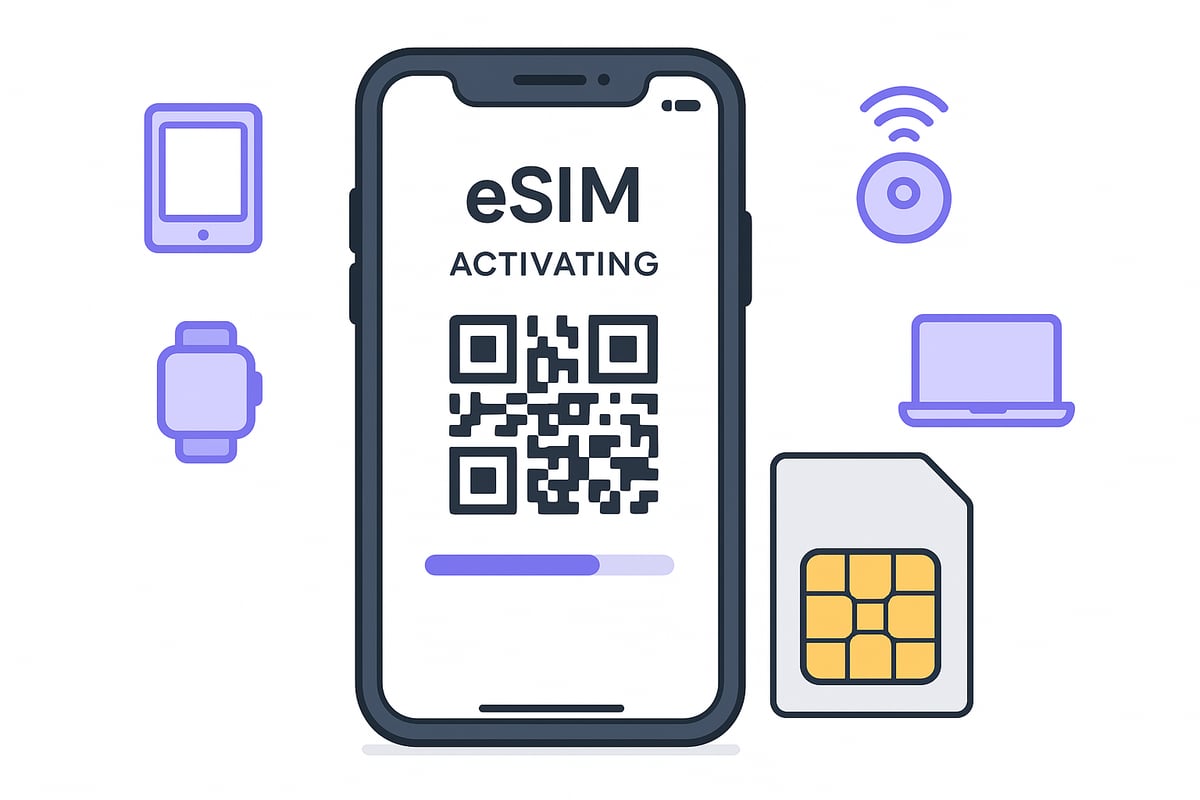
eSIM, or Embedded SIM, is a small programmable chip built right into your device. Unlike a regular sim that you physically insert or remove, eSIM is soldered inside your phone, tablet, wearable, or even IoT gadget. This chip allows you to download and activate mobile carrier profiles over the air, often by scanning a QR code or using a mobile app.
In 2026, eSIM support is widespread across flagship smartphones, tablets, smartwatches, and many machine-to-machine (M2M) devices. For example, when you buy a new device, you can set up your mobile plan instantly without needing to hunt for a plastic regular sim. Simply scan a QR code from your carrier or use their app, and your device connects in seconds.
This technology makes it easier for manufacturers to design slimmer and more durable devices. Plus, it’s helping users stay connected no matter where life takes them, sidestepping the hassle of losing or damaging a regular sim.
Key Benefits of eSIM
Why are so many people making the switch from a regular sim to eSIM? There are some standout advantages:
Instant activation: No waiting for a card in the mail or visiting a store.
Multiple profiles: Store several carrier plans on one device and switch between them easily.
Enhanced security: With no removable card, it’s much harder for someone to steal or clone your connection.
Space-saving: Makes room for bigger batteries or new features by eliminating the sim card slot.
Imagine a business traveler juggling work and personal numbers, all from one device, without swapping regular sim cards. Or a digital nomad who needs to activate a local plan instantly when landing in another country. With eSIM, these scenarios are now everyday realities.
If you want to see how eSIM and regular sim compare side by side, check out this Best eSIM vs regular SIM comparison for an in-depth look.
Drawbacks and Limitations of eSIM
Of course, eSIM isn’t perfect for everyone yet. Some budget and older devices in 2026 still rely on the regular sim, so not every phone or gadget supports eSIM out of the box. In certain regions, carriers may be slow to roll out eSIM support, meaning you might find yourself limited to a regular sim if you travel off the beaten path.
Switching between profiles can sometimes be tricky, especially if you’re moving an eSIM between devices or facing technical glitches. Some users also feel uneasy about not having physical control over their connectivity, as with a regular sim.
Globally, the adoption rate is rising fast, but not all carriers support eSIM. As of 2026, more than 65% of mobile operators worldwide offer eSIM services, but coverage can still be patchy in rural or developing areas. For now, both eSIM and regular sim serve important roles, depending on your device, location, and personal preferences.
Compatibility and Device Support: Regular SIM vs eSIM
Choosing the right SIM technology in 2026 means understanding how regular sim and eSIM options fit into the ever-evolving world of mobile devices. Let's explore how these two formats stack up in terms of device support, switching, and global compatibility.
Device Ecosystem in 2026
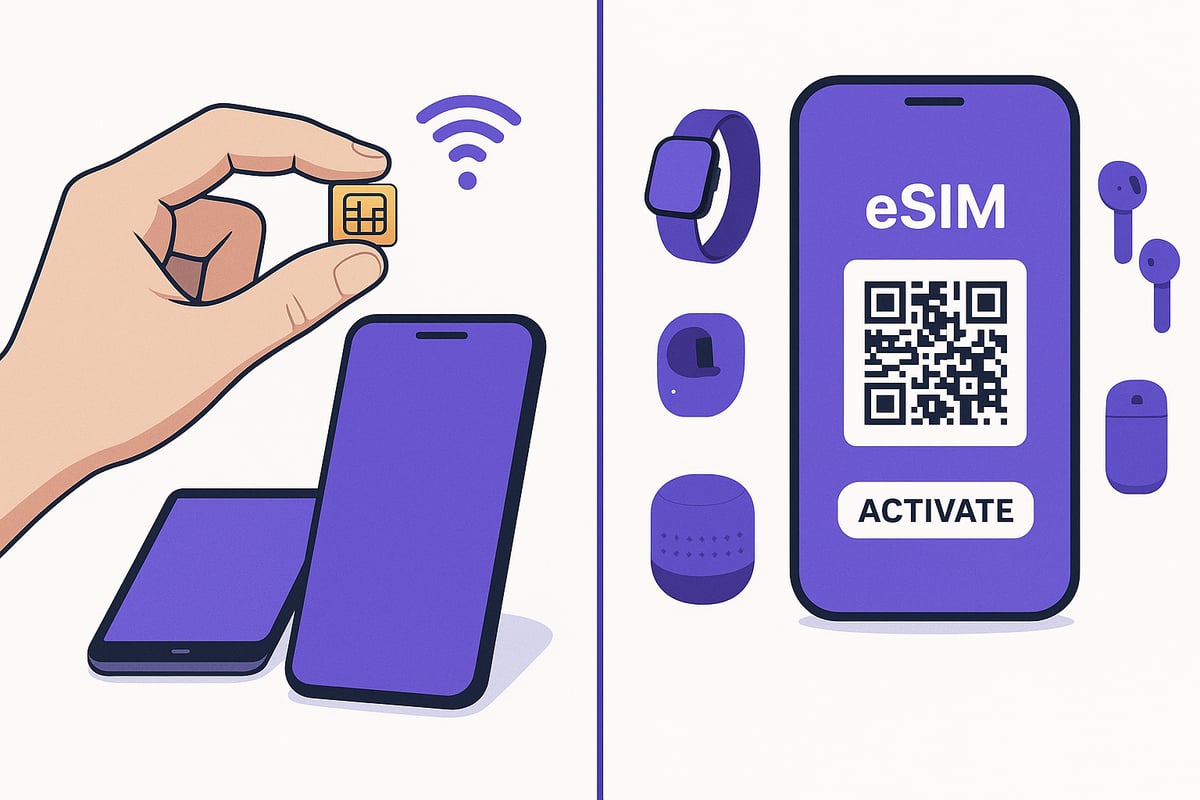
In 2026, the device landscape is more diverse than ever. Most smartphones, tablets, and wearables support both regular sim and eSIM, especially from industry leaders like Apple, Samsung, and Google. Flagship phones often ship with eSIM-only or dual SIM capabilities, giving users more flexibility.
Tablets and smartwatches also increasingly favor eSIM for its space-saving benefits. However, the regular sim remains common in budget devices, prepaid phones, and many IoT gadgets such as routers and smart meters. This ensures backward compatibility for users who still rely on older tech.
Here's a quick comparison:
Device Type | Regular SIM Support | eSIM Support |
|---|---|---|
Flagship phones | Some/Dual SIM | Yes (Most models) |
Budget phones | Yes | Limited |
Tablets | Some | Yes (Newer models) |
Wearables | Rare | Yes |
IoT devices | Common | Growing |
With over 633 million eSIM-enabled device shipments expected in 2026, according to the eSIM-enabled device shipments forecast, device compatibility will only broaden, but regular sim still has a place in the ecosystem.
Switching Devices and Carriers
Switching devices is a key consideration for many users. With a regular sim, you can simply remove your card and pop it into a new device. This physical control feels intuitive, especially if you upgrade phones regularly or use multiple devices.
eSIM changes the game by letting you switch carriers or devices without handling any physical card. You can download a new carrier profile in minutes, often by scanning a QR code or using an app. This is especially handy for travelers, who can activate local plans instantly without hunting for a local store.
Multi-device management is easier with eSIM, as you can store several profiles and swap between them as needed. However, some users still prefer the tactile reassurance of a regular sim, especially when troubleshooting or ensuring privacy.
Regional and Carrier Support
Device compatibility also depends on where you live and your carrier's support for each SIM technology. In regions like North America, Europe, and parts of Asia, eSIM adoption is high, and most major carriers offer robust support. Rural or developing areas, however, may still rely heavily on regular sim options due to lower infrastructure and device turnover.
Leading carriers are rolling out eSIM services rapidly, but some smaller providers lag behind. In Africa and certain parts of Asia, the regular sim remains the default, especially for prepaid and entry-level users. Adoption rates for eSIM are rising, but regular sim continues to be a lifeline for millions in areas where device upgrades and carrier technology move more slowly.
Whether you choose regular sim or eSIM, always check your device and carrier compatibility before making the switch. This ensures you stay connected no matter where your journey takes you.
Cost, Flexibility, and User Experience
Choosing between a regular sim and eSIM in 2026 often comes down to the practical details—cost, flexibility, and how easy each is to use day-to-day. Let’s break down what you should expect from both, so you can see which one truly fits your lifestyle.
Upfront and Ongoing Costs
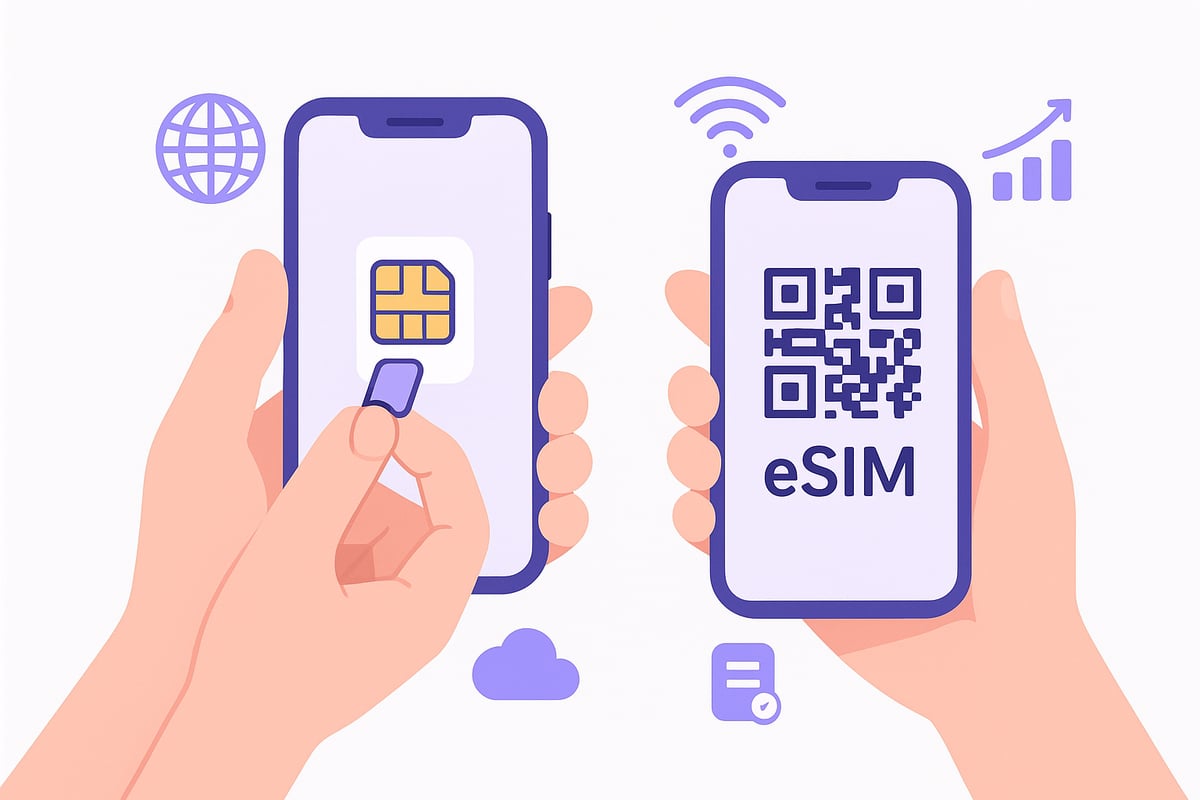
When it comes to costs, the difference between a regular sim and an eSIM can be quite noticeable. Buying a regular sim often means paying a small upfront fee at a store or kiosk, and sometimes there are extra charges for activation. With eSIM, activation is usually digital, and while some carriers charge a setup fee, others offer it for free.
Here’s a quick look comparing the two:
Cost Factor | Regular SIM | eSIM |
|---|---|---|
Purchase Fee | Yes (small fee) | Usually none |
Activation Fee | Sometimes | Sometimes |
Prepaid Plans | Widely available | Increasingly common |
International Rates | Often higher | Can be cheaper |
For frequent travelers, eSIM can mean instant access to local plans without the hassle of finding a new regular sim in every country. Curious about the most affordable options? Check out this cheapest eSIM alternatives guide for more details on how eSIM solutions stack up in 2026.
Flexibility and Convenience
Flexibility is where eSIM shines, but regular sim cards still have their place. With a regular sim, you physically swap cards between devices or carriers, which can be handy if you value tangible control. However, this can get tedious if you switch phones or numbers often.
With eSIM, managing multiple numbers or data plans is as simple as a few taps. You can store different profiles on one device, and switch between them for work, travel, or personal use. Business users especially appreciate being able to juggle work and personal profiles without carrying two phones. No more fumbling with tiny cards or searching for a SIM ejector tool.
User Experience: Setup, Management, and Troubleshooting
Setting up a regular sim is familiar for most people: pop it in, restart, and you are usually good to go. If you lose your regular sim, though, you need a replacement, which can mean a trip to the store and some downtime. eSIM, on the other hand, lets you download or transfer profiles instantly, often through a QR code or app.
Troubleshooting can differ too. With regular sim, support is often in person at retail outlets, so you get face-to-face help. For eSIM, most support is digital, which is fast but may feel less personal. In 2026, user satisfaction surveys show eSIM users rate their experience as more convenient, especially for global connectivity, while regular sim users value the sense of control and easy access to physical support.
Ultimately, both options offer a strong user experience, but your preference may depend on how often you travel, switch devices, or need customer support. The regular sim remains a reliable choice for many, while eSIM is quickly becoming the go-to for those who crave convenience and instant connectivity.
Security, Privacy, and Reliability
Staying connected is about more than just speed or coverage—it’s also about feeling safe, protected, and confident in your choice. Whether you use a regular sim or have switched to eSIM, understanding how these technologies address security, privacy, and reliability is essential for peace of mind in 2026.
Security Features and Risks
Security remains a top concern for anyone using a regular sim or eSIM. With regular sim cards, physical theft or cloning has always been a risk. Someone could remove your sim, use it in another device, or attempt to clone its information. However, the tangible nature of a regular sim does allow for quick removal if you suspect compromise.
eSIMs, by contrast, are built directly into your device and offer enhanced protections like remote profile locking and encryption. This digital setup makes it much harder for criminals to physically access or clone your sim. Yet, eSIMs are not immune to threats—some recent reports have highlighted eSIM security vulnerabilities, including potential flaws in top systems that could put billions of devices at risk. Still, eSIMs generally offer strong defenses against classic SIM swap fraud, giving users added confidence for daily use.
Privacy Considerations
Privacy matters to all of us, especially as our digital identities become more valuable. With a regular sim, you have the option to purchase prepaid cards without sharing much personal information, allowing for a degree of anonymity. This is especially useful for those who value keeping their data private or need a temporary number.
eSIMs, on the other hand, tie your sim profile to your device and often require more personal details during activation. While this can help with lost device recovery and stricter privacy controls, some users may feel uneasy about not having physical control over their sim. Regulatory trends are evolving, aiming to balance privacy with security, so both regular sim and eSIM users should stay informed about local requirements and protections.
Reliability and Network Performance
When it comes to reliability, both regular sim and eSIM technologies strive to keep you connected without interruption. In most cases, the type of sim does not directly impact network quality—your service depends more on carrier coverage and device capability.
However, the way each sim handles device failure or loss is different. If your phone with a regular sim stops working, you can simply move the sim to another device and regain access. With eSIM, you may need to contact your carrier or use a web portal to transfer your profile, which can take extra time.
Many dual-SIM devices in 2026 support both regular sim and eSIM, offering redundancy and flexibility. Here’s a quick comparison:
Feature | Regular SIM | eSIM |
|---|---|---|
Quick Device Swap | Yes | Sometimes (process varies) |
Physical Removal | Yes | No |
Remote Profile Restore | No | Yes |
Dual-SIM Support | Yes (physical+eSIM) | Yes (multiple profiles) |
Recent user surveys show high satisfaction for both sim types, with a slight edge for eSIM in urban areas due to instant activation and fewer physical issues. Still, in rural or developing regions, regular sim cards remain a trusted, reliable choice for millions.
Future Trends: The Evolution of SIM Technology
The world of SIM technology is changing fast, and both regular sim and eSIM users are seeing new opportunities. As we look ahead, understanding these shifts helps us prepare for what's next in mobile connectivity.
Market Adoption and Industry Predictions
By 2026, eSIM technology is seeing rapid growth, but the regular sim still plays a role in many markets. Forecasts show that eSIM adoption is expected to soar, with major device makers like Apple introducing eSIM-only smartphones and wearables. Samsung and Google have also expanded eSIM support across their flagship lines.
A recent industry analysis projects that the eSIM market will experience strong double-digit growth through 2030. According to eSIM market growth projections, global shipments of eSIM-enabled devices could reach over 10 billion units by the end of the decade. Still, the regular sim remains important for legacy devices and emerging markets where infrastructure upgrades are slower.
Here's a quick comparison of adoption rates:
Year | eSIM Adoption (%) | Regular SIM Use (%) |
|---|---|---|
2024 | 40 | 60 |
2026 | 60 | 40 |
2030 | 85 | 15 |
Manufacturers are steadily phasing out regular sim slots, but backward compatibility is still a priority for now.
Impact on Consumers and Businesses
For everyday users, these trends mean more flexibility and less hassle. Traveling abroad with a regular sim often meant searching for local cards or juggling multiple devices. With eSIM, switching profiles for global data plans is almost instant. Remote workers, digital nomads, and frequent travelers now rely on eSIM to manage multiple numbers or carriers on a single device.
Businesses are also seeing big changes. Managing a fleet of company phones with regular sim cards used to be time-consuming, especially when employees traveled or changed roles. eSIM technology lets companies activate, switch, or suspend service remotely, making device management much simpler. Enterprises are adopting eSIM to streamline operations and keep teams connected worldwide.
However, the regular sim still offers value in certain scenarios, especially where eSIM infrastructure is limited or for users who want maximum control over their connectivity.
Potential Challenges and Opportunities
Despite the clear momentum, challenges remain for both regular sim and eSIM. Regulatory requirements differ by country, which can slow eSIM rollout in some regions. Not all carriers or countries are ready to fully support eSIM, and some consumers worry about losing physical control if they switch from a regular sim.
Opportunities are emerging in automotive, smart home, and wearable tech, where eSIM offers seamless connectivity. Backward compatibility is crucial, ensuring users can still use a regular sim in devices that need it. For those exploring global providers, resources like the Global eSIM provider guide help users compare options and find reliable service worldwide.
As technology evolves, a blend of regular sim and eSIM solutions will likely remain, giving us the freedom to choose what fits our needs best.
After walking through the ins and outs of regular SIM cards and eSIMs in 2026, it’s clear the right choice really depends on how you use your devices and what you need from your mobile experience. If you’re like me and want hassle free global connectivity, flexibility, and real control over your data, exploring a smart global eSIM solution might be the answer. With Umi, you can say goodbye to swapping SIMs or juggling different plans every time you travel. If you’re curious about how this could make your digital life easier, let’s explore Umi's features.
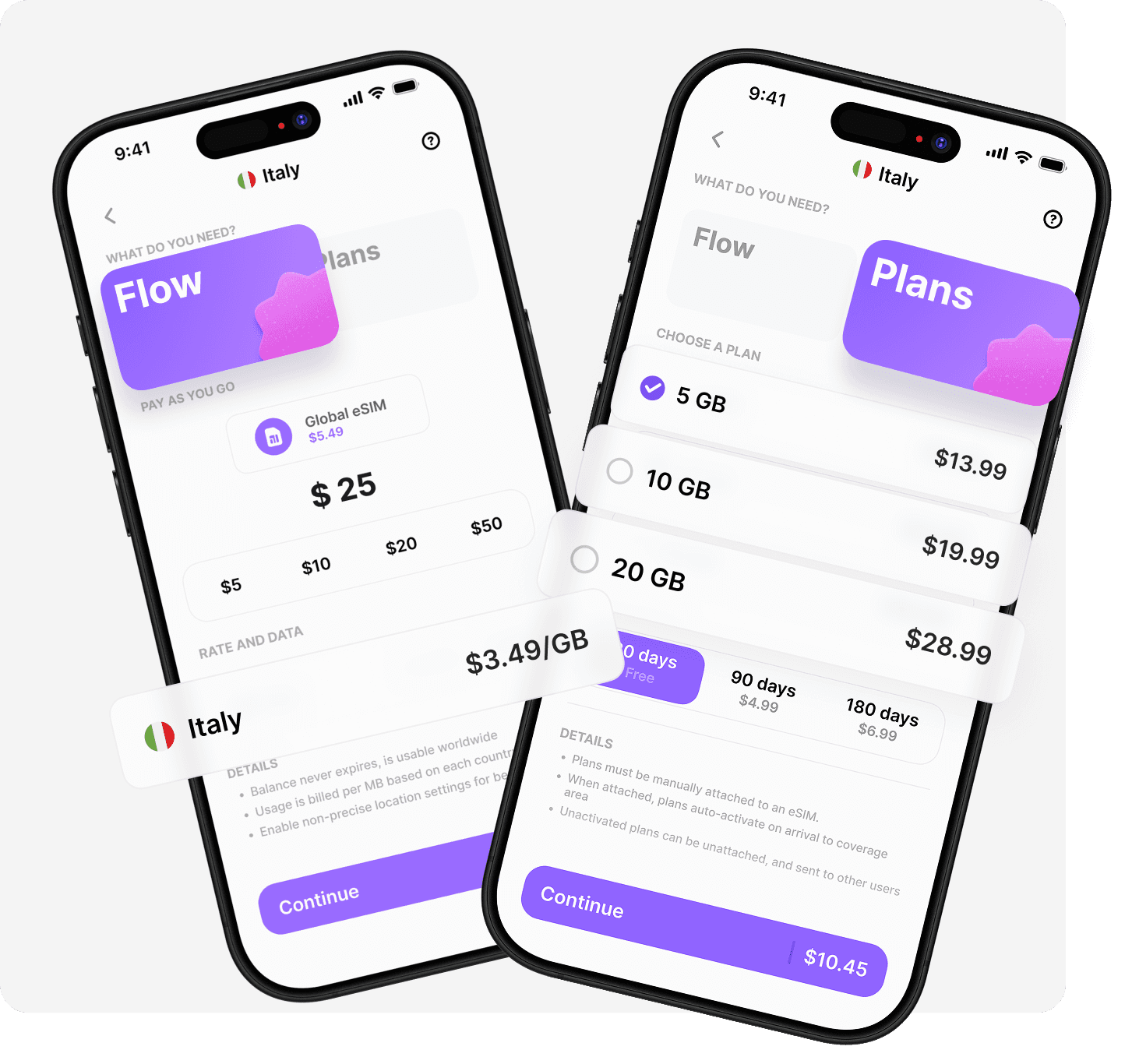
Choose Your Data
Choose pre-paid plans, or top-up pay-as-you-go. It’s flexible to fit your needs.
Buy
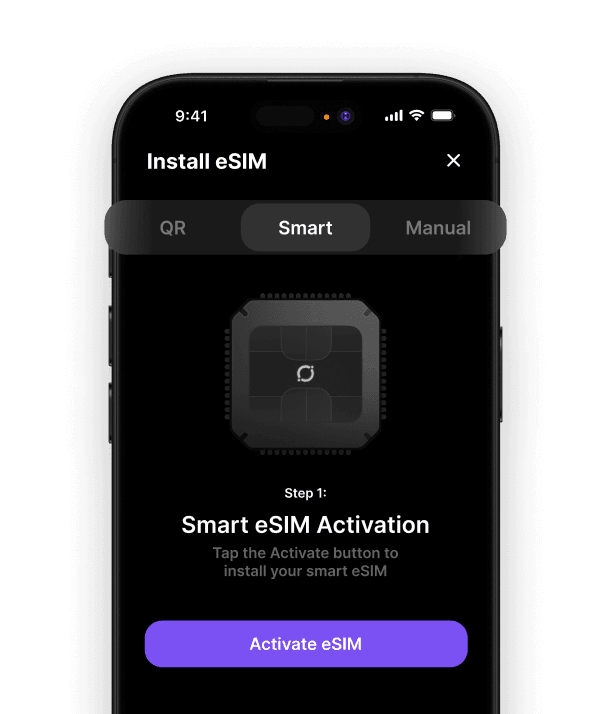
Install your Smart Global eSIM™
Install to your Umi eSIM as soon as you get it.
Install
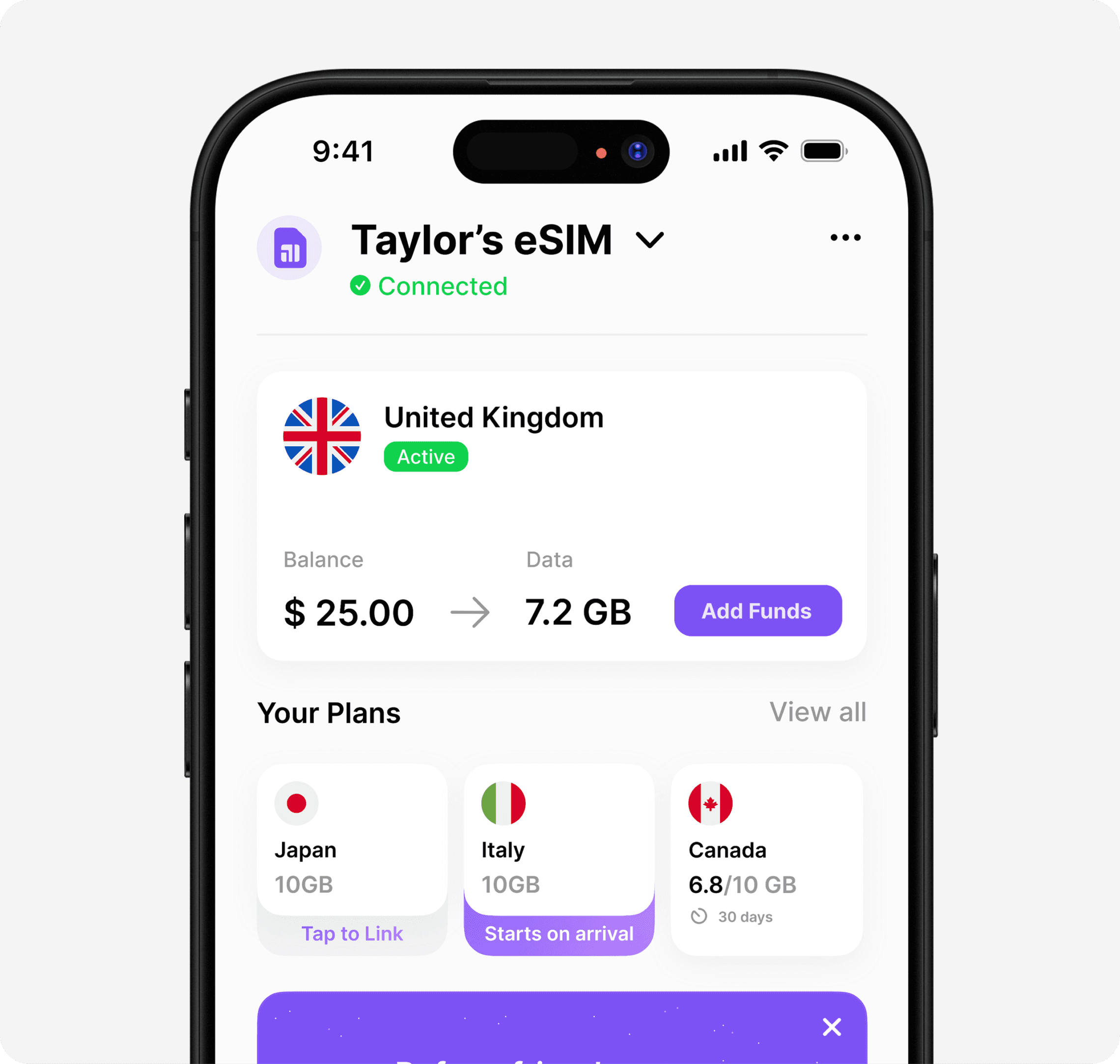
Boundless Connectivity
Start using data immediately, safely, and securely.
Connect