Best eSIM for International Travel 2026: 7 Top Picks
Written By:
Umi
Have you ever landed in a new country, only to spend precious travel time hunting for a reliable data connection? We know how frustrating it is when your phone just won’t connect, or you’re stuck with sky-high roaming fees.
That’s why we created this guide to help you find the best esim for international travel in 2026. As eSIM technology becomes more popular and widely supported, it’s changing the way we stay connected abroad.
In this article, we’ll explain what eSIMs are, how to pick the right one, and reveal our top 7 picks for seamless, affordable global connectivity. Ready to travel smarter and worry less about your data? Let’s get started.
What is an eSIM and Why Use One for International Travel?
Travelling internationally often means juggling SIM cards, searching for local providers, and worrying about roaming fees. Enter the eSIM, a smart solution that is transforming the way we connect abroad.
An eSIM, or embedded SIM, is a digital SIM built directly into your device. Unlike traditional SIM cards, you do not need to insert or swap any physical chip. With eSIM, you can download mobile data plans over the air, making it incredibly easy to stay connected in new countries.
Since 2024, the adoption of eSIM-compatible devices has skyrocketed. Major brands like Apple, Samsung, and Google now offer eSIM support across most flagship phones and tablets. In fact, recent statistics show that over 60 percent of travellers in 2025 used eSIMs for at least one international trip, highlighting the shift towards digital connectivity.
Why are travellers embracing eSIMs? Here are some standout benefits:
Instant activation: Set up your data plan in minutes, even before you land.
No more SIM swapping: Manage multiple plans without removing your existing SIM.
Flexibility: Switch between countries or regions without hunting for a local SIM card.
Cost savings: Avoid expensive roaming charges and pay only for the data you need.
Of course, some travellers have concerns. You might wonder about device compatibility, security, or potential limitations. The good news is that most new smartphones and tablets now support eSIM, and providers use robust encryption to keep your data safe. Still, it is wise to check your device specs and ensure it is unlocked before purchasing an eSIM plan.
Let us consider a real-world example. Imagine you land in Paris after a long flight. With your eSIM, you simply activate your plan via app or QR code, and you are online in minutes, no airport kiosks or language barriers.
Another big advantage? eSIMs often cost less than local SIMs or traditional roaming. You can compare plans, pick only what you need, and avoid hidden fees. As more providers enter the market, an eSIM means you can make informed choices for seamless, affordable connectivity wherever you go.
How to Choose the Best eSIM for Your Travel Needs
Choosing the right eSIM can make all the difference between a stress-free adventure and an expensive headache. With so many options, it helps to break down what truly matters for your trip. Let’s walk through the essential factors together so you can pick the right plan for you.
1. Coverage and Supported Destinations
First, check if the eSIM provider covers the countries you plan to visit. Not all services offer equal reach. Some, like Ubigi and Airalo, provide access in over 200 countries, making them strong contenders for international travel. Always review the provider’s coverage map before purchasing.
2. Data Speed and Network Quality
Reliable, fast data is a must. Look for eSIMs with 4G or 5G support and partnerships with top local networks. Slow speeds can be frustrating, especially for business travellers or digital nomads who depend on video calls or cloud access.
3. Plan Types and Flexibility
eSIM plans typically come in three forms: unlimited, pay-as-you-go, and fixed data. Each has its perks. Unlimited is great for heavy users, while pay-as-you-go suits those with unpredictable needs. Fixed data plans are perfect for travellers with set routines.
Plan Type | Best For | Pros | Cons |
|---|---|---|---|
Unlimited | Power users | High allowance, fair-use cap | Higher cost |
Pay-as-you-go | Light users | Only pay what you use | Can add up if overused |
Fixed Data | Predictable users | Budget-friendly | Overages possible |
4. Price and Transparency
Transparent pricing is key. Avoid providers with hidden fees or unclear roaming charges. Compare rates for the countries you’ll visit, and check if you can top up or extend plans easily.
5. Customer Support and App Usability
A good app makes it simple to activate, monitor, and manage your data. Features like in-app data tracking and easy top-ups are incredibly helpful. Also, check if the provider offers responsive customer support, this can be a lifesaver if you run into problems abroad.
6. Device Compatibility
Before you buy, ensure your phone or tablet supports eSIM. Most recent models from Apple, Samsung, and Google are compatible, but it’s worth double-checking.
7. Real-World Examples
A business traveller hopping continents may need a global plan with generous data and 5G speeds. On the other hand, a holidaymaker exploring one region might save more with a regional fixed-data plan.
For more details on comparing options and getting the most value, check out this helpful Best eSIMs for International Travel guide.
Taking time to consider these points will help you find the right plan, so you can focus on making memories, not worrying about connectivity.
Top 7 Best eSIM for International Travel in 2026
Choosing an eSIM for 2026 can feel overwhelming, but we’re here to make it simple. After testing dozens of services and listening to feedback from real travellers, we’ve curated a list of the most reliable, user-friendly, and affordable options. Our selection focuses on global coverage, value for money, ease of use, and support, so you can travel smarter and stay connected wherever you go.
Below, we break down the top contenders, helping you find the perfect fit for your next adventure.
Umi eSIM – Smart Global eSIM for True Seamless Travel
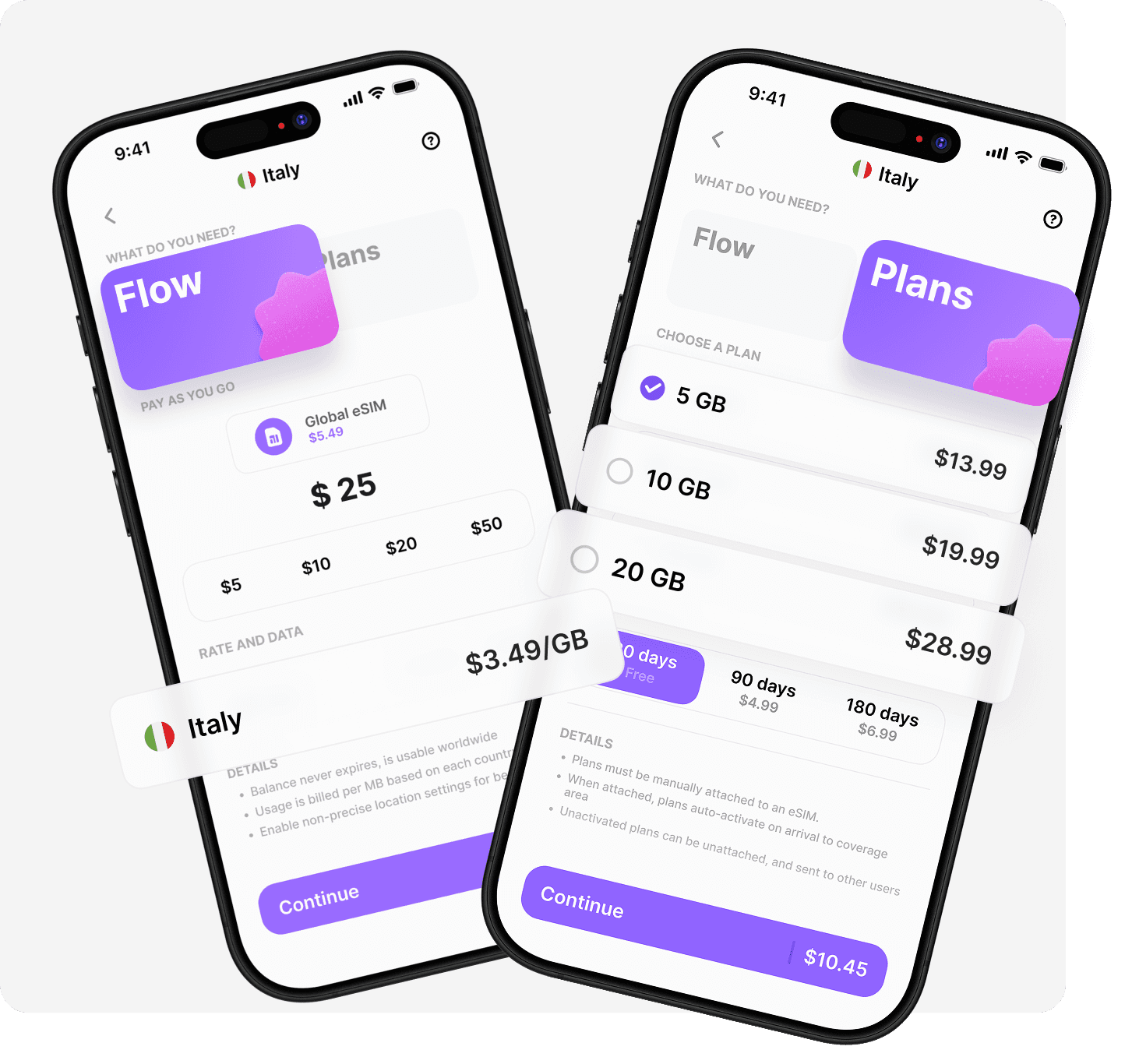
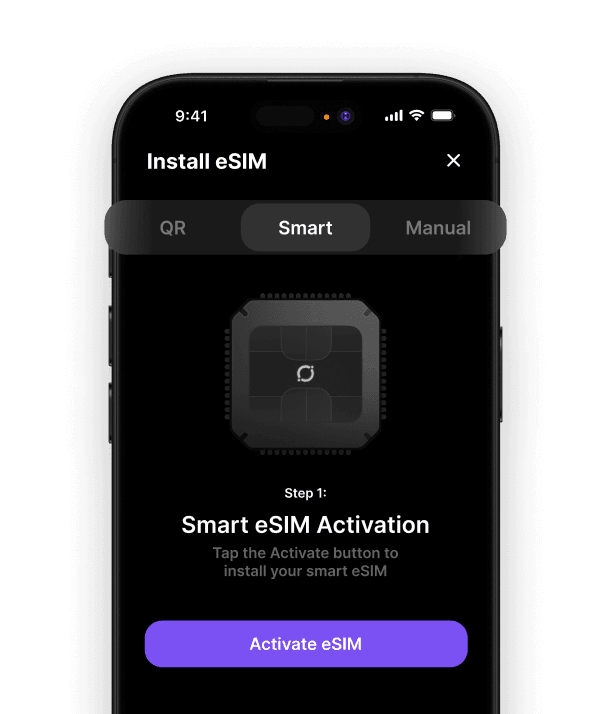
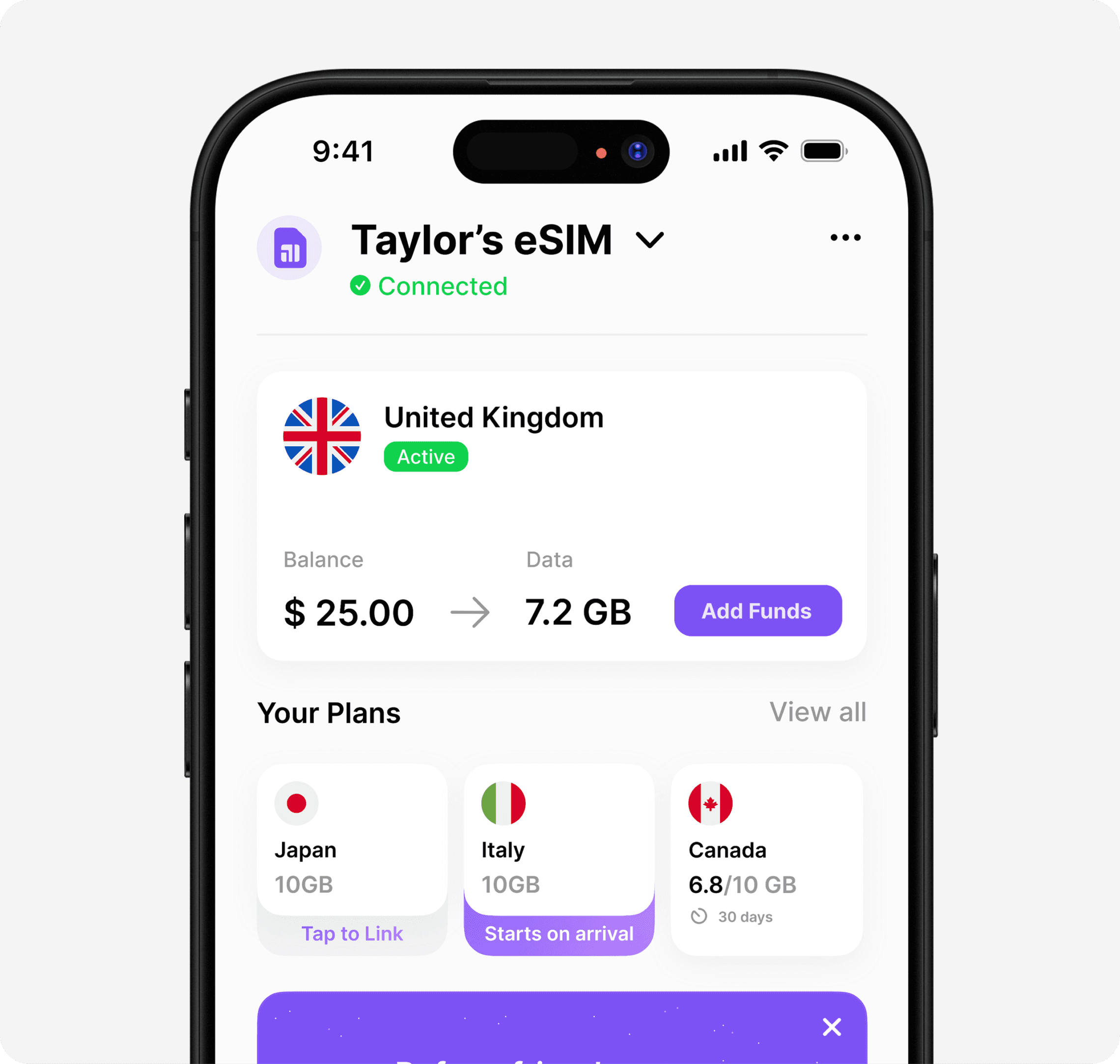
Umi eSIM is quickly becoming a favourite for international travel. Pay-as-you-go Flow runs from $2.55/GB on the global baseline, fixed Plans cost less per GB, and the balance never expires, so Umi delivers unbeatable convenience.
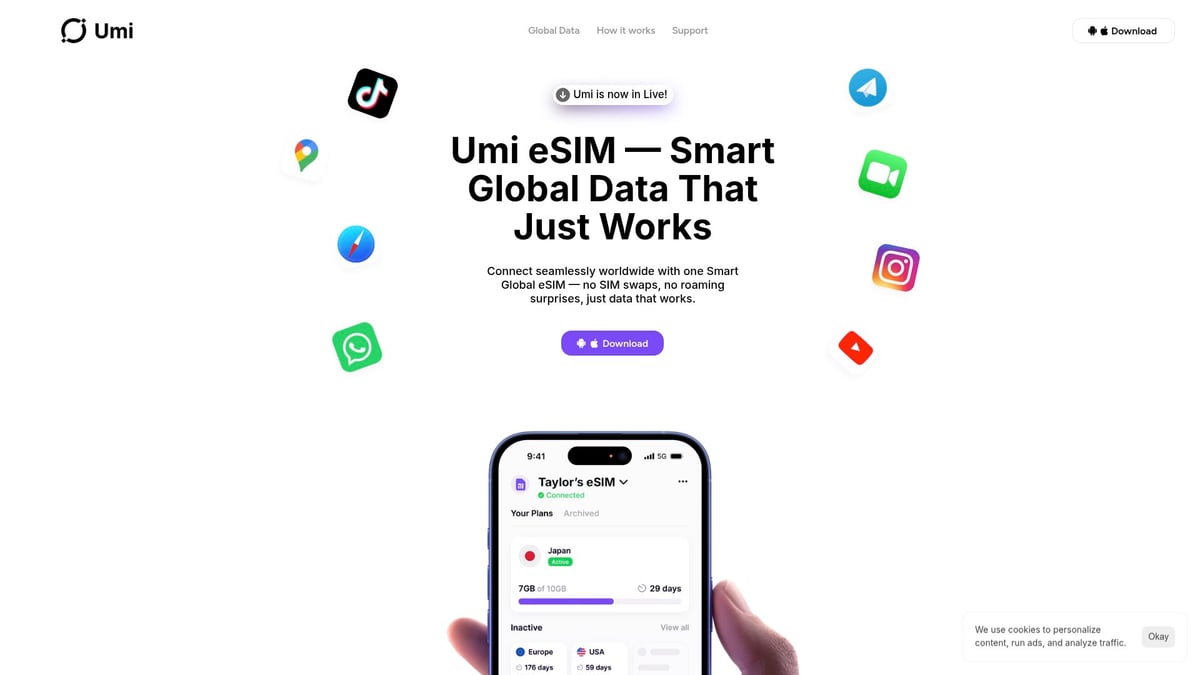
After a one-time installation, you can use Umi in over 200 destinations without buying a new eSIM for each trip. The app makes plans easy to manage and supports hotspot and tethering across your devices, with shared data via Groups coming soon for teams. Since there are no roaming fees, you can use Umi both at home and abroad.
Ideal for: Frequent travellers, digital nomads, families, and business teams who want lifetime use and full control over data. Pros: Flexible plans, works alongside your physical SIM, and superior user control. Cons: Data only (no voice/SMS), requires an unlocked eSIM-compatible device.
Ubigi – Extensive Global Coverage & 5G Support
Ubigi stands out, offering coverage in more than 200 countries and 5G support in over 40 destinations. Prices are competitive, with various plans for different regions and countries.
The Ubigi app, available in eight languages, makes setup and plan management easy. Unlimited data options (with a fair-use cap that throttles past a daily threshold) and data tethering are big pluses for heavy users. While some regional plans can be pricier, the overall flexibility and speed make Ubigi popular among global travellers.
Ideal for: Travellers who prioritise high-speed data in diverse regions. Pros: Unlimited data, broad coverage, and a robust app experience. Cons: No phone calls or SMS, and some plans cost more in certain regions.
Airalo – Affordable Regional & Global Data Plans
Airalo is a top pick if you’re looking to save money without compromising connectivity. Regional plans start at just $4.50, and global plans cover over 200 countries.
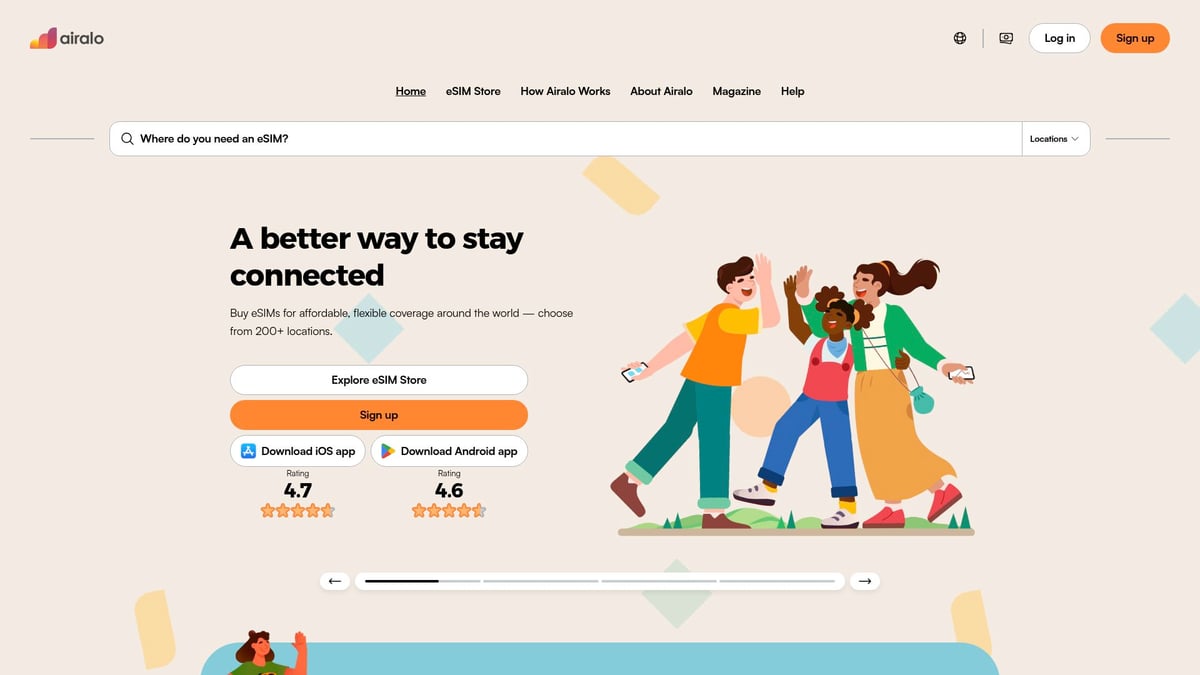
The Airalo app is user-friendly, making plan selection and top-ups a breeze. It’s ideal for budget travellers, backpackers, or anyone hopping between countries. While there are no unlimited data options and some regions may have slower speeds, Airalo’s flexibility and affordability shine.
Ideal for: Budget-conscious travellers and those visiting multiple countries. Pros: Low-cost plans, easy top-up, and a clear interface. Cons: No unlimited data, and some countries may have limited speeds.
Holafly – Unlimited Data for Heavy Users
If unlimited data is your priority, Holafly is a strong option in 2026. Plans start at $19 for seven days and cover 160+ countries, making it perfect for streaming, remote work, or staying online all day. As with any unlimited plan, a fair-use policy applies and speeds slow past a daily threshold, so unlimited does not mean uncapped.
Holafly delivers instant QR code delivery and 24/7 customer support. While it’s mainly for data use (no voice/text) and can be more expensive for short trips, the unlimited nature and helpful support team make it a favourite for digital nomads and power users.
Ideal for: Heavy data users, remote workers, and digital nomads. Pros: Unlimited data, responsive support, and easy setup. Cons: Data only, and higher cost for shorter trips.
Nomad – Flexible Plans & Strong App Experience
Nomad earns its spot with flexible regional plans from $5 and global options for wider coverage. With service in 110+ countries, Nomad’s app makes plan management and top-ups simple.
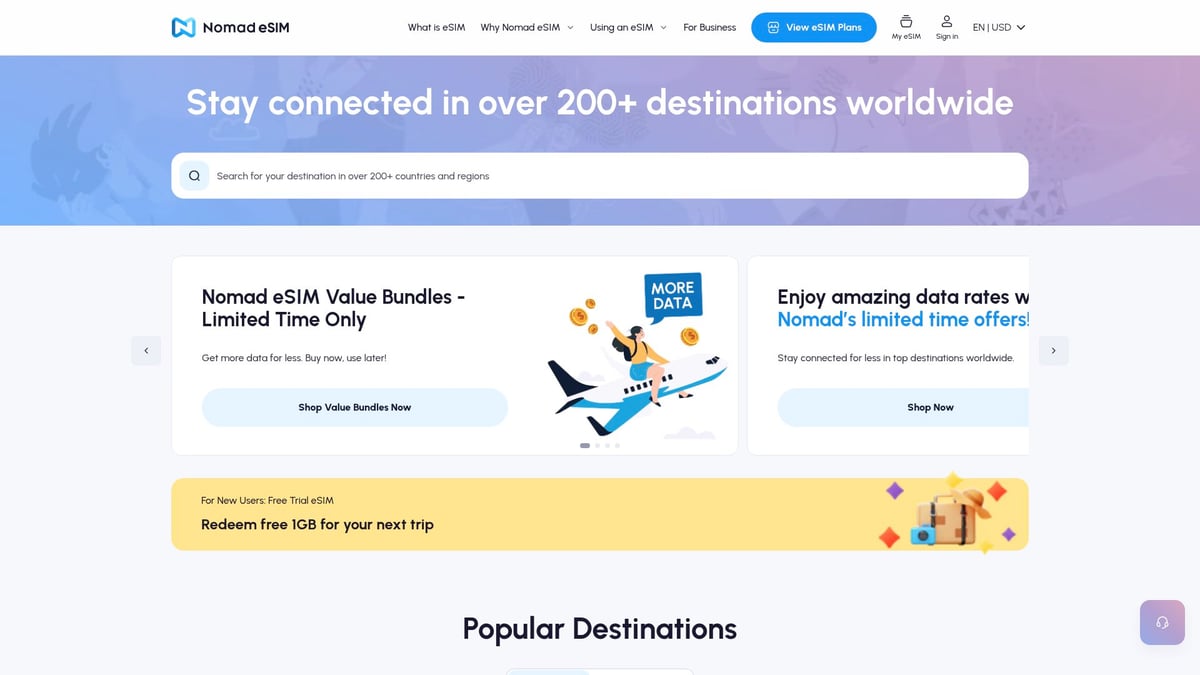
Travellers can customise data amounts and durations to fit their unique needs. While coverage isn’t as broad as some competitors, Nomad’s flexibility and competitive pricing are hard to beat.
Ideal for: Travellers wanting custom data plans and durations. Pros: Flexible, easy to use, and reliable connectivity. Cons: Limited plan choices in some countries, and not as wide-reaching as others.
Simify – Simple Prepaid eSIMs for Quick Trips
For those who want a simple eSIM for short holidays or first-time use, Simify is a great choice. With prepaid plans from $6.50, Simify offers instant delivery and straightforward activation.
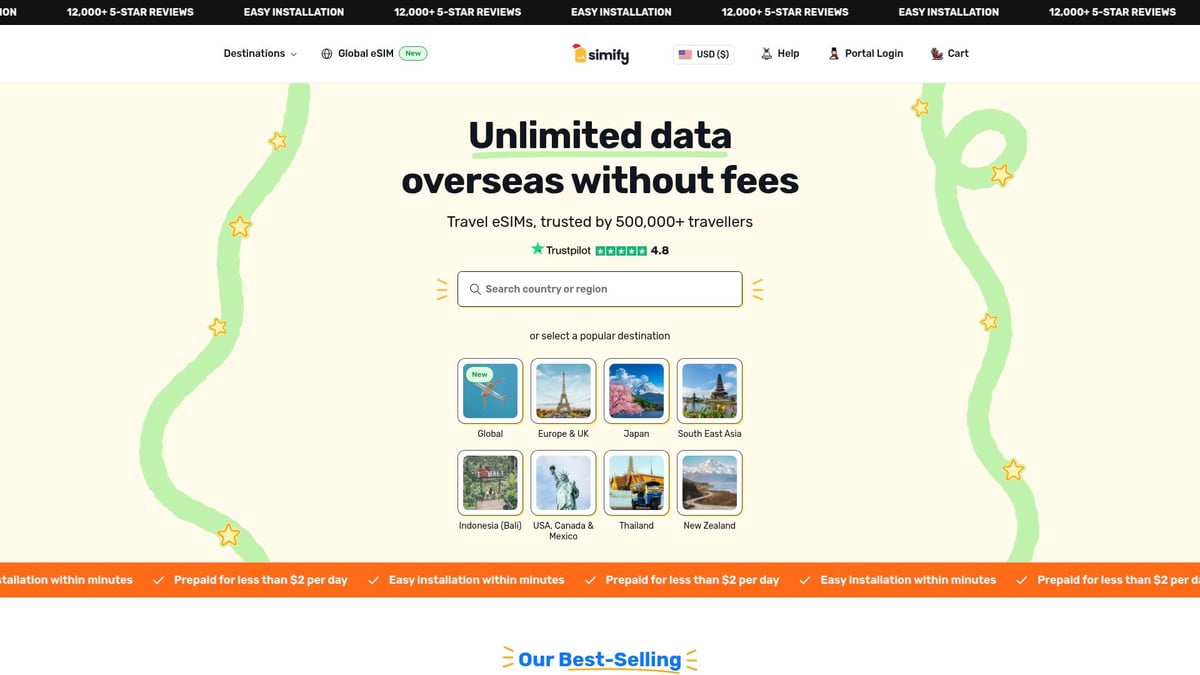
Perfect for tourists and those needing quick, no-fuss connectivity, Simify’s customer support is highly rated. However, their multi-country plan options are limited, and the service is less feature-rich than some others.
Ideal for: Tourists and eSIM beginners. Pros: Affordable, easy setup, and strong customer support. Cons: Limited multi-country plans and fewer advanced features.
Drimsim – Pay-As-You-Go, True Global Roaming
Drimsim works well if you prefer pay-as-you-go flexibility. With rates starting at $0.01/MB and coverage in 190+ countries, Drimsim lets you pay only for what you use, with no monthly fees or expiration.
This makes Drimsim perfect for light users or unpredictable travel schedules. While there are no unlimited data plans and costs can increase for heavy users, the transparent pricing and global reach are standout features.
Ideal for: Occasional travellers and business users with varying data needs. Pros: No monthly fees, global reach, and transparent costs. Cons: No unlimited plan, rates can add up for heavy use.
Quick Comparison Table
Provider | Coverage | Starting Price | Unlimited Data | App Available | Best For |
|---|---|---|---|---|---|
Umi eSIM | 200+ | From $2.55/GB | No | Yes | Frequent travellers |
Ubigi | 200+ | Varies | Yes | Yes | High-speed users |
Airalo | 200+ | $4.50 | No | Yes | Budget travellers |
Holafly | 160+ | $19 | Yes | Yes | Power users |
Nomad | 110+ | $5 | No | Yes | Custom plans |
Simify | 100+ | $6.50 | No | Yes | Tourists |
Drimsim | 190+ | $0.01/MB | No | Yes | Occasional users |
No matter your travel style, the right eSIM can help you avoid roaming fees and stay connected worldwide. Curious about the full advantages? Check out this eSIM benefits for travellers guide to see how eSIMs are changing the way we explore.
Regional Coverage: What to Expect
eSIM support is strong but not uniform, so it helps to know the lie of the land before you travel.
Europe leads on adoption, and cross-border data is straightforward. The US and Canada are fully eSIM-ready, and Mexico is catching up fast. Across Asia-Pacific, Japan, Singapore, and Australia are excellent, while China sets its own rules and only certain devices and plans work there, so check before you go. The Middle East and Africa are growing but patchier, and Latin America covers the big cities well, with rural areas sometimes lagging. A few places, such as Hong Kong and Macao, lean heavily on dual-SIM use, and some countries ask for ID or passport details at activation, so keep yours to hand.
Local vs global plans
You will often choose between a local and a global plan. A local eSIM, bought in-country, can include a local number and works out cheaper for a long stay in one place. A global or regional plan spans many countries on a single install, which suits multi-country trips for a slightly higher per-GB price. Frequent travellers mix the two: a global balance as the backbone, topped up with a local plan when they settle somewhere for a while.
After your trip
Back home, switch your data back to your home SIM and keep the travel eSIM on your device for next time. Check for any leftover balance, since a never-expiring option like Umi's Flow simply waits for your next journey rather than resetting.
Expert Tips for Getting the Most Out of Your eSIM Abroad
Travelling with the right eSIM can be a game changer, but a smooth experience takes just a bit of prep. Want to avoid headaches and get the most value on your next trip? These expert tips will help you stay connected, save money, and enjoy peace of mind wherever you roam.
Before You Go
Always check if your phone or tablet supports eSIM. For a quick guide, see Device Compatibility for eSIMs.
Make sure your device is fully unlocked, as locked phones may not work with international eSIMs.
Activate and test your eSIM plan before you leave home. This can save you from scrambling for airport Wi Fi. Need a walkthrough? Follow this How to Set Up Your eSIM tutorial.
On the Road
Compare regional and global plans if you're visiting several countries. Sometimes a regional plan offers better value, while a global plan brings extra convenience.
Use your eSIM provider's app to track data usage in real time. This helps you avoid overages and manage your plan efficiently.
Take advantage of hotspot and tethering features to connect your laptop or share with travel companions.
Store a backup of your eSIM activation details in a secure cloud app or email, in case you switch devices and need support to move it.
Bonus Tips
Consider a dual SIM setup to keep your home number active for calls and texts while using data abroad.
Read recent user reviews for your destinations. Network speeds and reliability can change, so fresh feedback is invaluable.
With a little preparation, your eSIM will keep you connected and carefree on every adventure.
Frequently Asked Questions About International eSIMs in 2026
Travellers often have lots of questions before heading abroad. Let's clear up the most common concerns so you can connect with confidence.
What devices are compatible with eSIMs in 2026? Most new smartphones and tablets from Apple, Samsung, and Google now support eSIM. Check your device's specs or settings for “eSIM” or “Dual SIM” support. The eSIM market has grown rapidly, with most flagship models released since 2024 fully compatible. For more on adoption trends, see this eSIM market growth report.
Can I use an eSIM alongside my physical SIM card? Yes, most eSIM-compatible devices allow dual SIM functionality, so you can keep your home SIM active for calls and texts while using an eSIM for data.
How do I switch between data plans or top up while abroad? Just open your eSIM provider’s app to switch plans or add data instantly. No need to visit a store or swap cards.
Are there risks of losing connectivity mid-trip? How to avoid? Rarely, but always activate and test your eSIM before travel. Download your plan and keep a backup of the QR code or activation details.
What happens if I lose my phone, can I recover my eSIM? Most providers allow you to transfer your eSIM to a new device by logging into your account or contacting support.
Is eSIM data as secure as traditional SIM cards? Yes, eSIMs use advanced encryption and are as secure as physical SIMs.
How do refunds and plan cancellations work for major providers? Policies vary, so review terms before buying. Some offer partial refunds if unused.
Are there special eSIM plans for business travellers or families? Absolutely. Many providers offer group or business plans, letting you manage multiple lines easily.
What are the best ways to contact customer support if issues arise while overseas? Most top eSIM providers offer 24/7 in-app chat or email support, so help is always within reach.
For a deeper dive into how eSIMs compare to traditional SIM cards, check out this helpful Comparing Local SIMs and eSIMs guide.
We’ve all been there, landing in a new country and scrambling for data, juggling SIM cards, or worrying about roaming fees. That’s why finding the right eSIM is such a game changer for seamless travel in 2026. If you’re ready to skip the hassle and enjoy truly global connectivity, it’s worth seeing how Umi stands out with its single eSIM setup, easy top-ups, and flexible plans that travel with you. Whether you’re a frequent flyer or a first-time explorer, you deserve mobile freedom that just works wherever you are. Let’s make travel simpler together, Explore Umi's features.












" height="15.96587083656648px" id="gUt8q3MIs" width="13.557999603271485px"/></svg>)