Airalo Physical SIM vs eSIM: Discover the Best Travel Option for 2026
Written By:
Umi
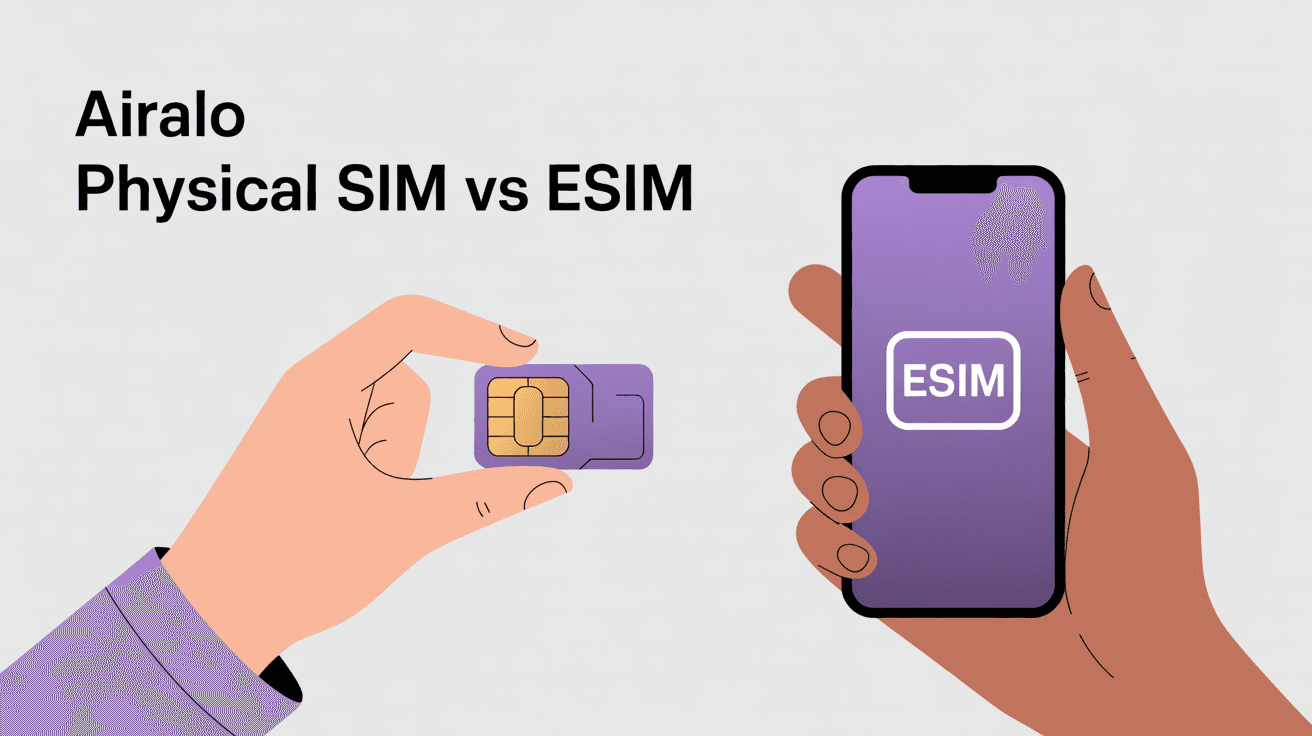
TL;DR: Navigating Airalo SIM Choices
By 2026, travelers must choose between Airalo's physical SIMs, offering affordable single-country connectivity but requiring manual swaps, and eSIMs, which provide a seamless digital setup and multi-country plans for compatible devices.
Physical SIMs remain widely used due to universal compatibility and local rates, despite the inconvenience and risk of loss, while eSIMs offer enhanced security, ease of use, and growing global coverage with digital activation.
eSIM technology is becoming dominant, with forecasts suggesting over 70% adoption in new devices by 2026, offering a more secure and flexible solution for frequent travelers navigating various countries.
In 2026, every traveler and digital nomad faces a big question: stick with the familiar airalo physical sim or switch to the new world of eSIM technology? If you’ve ever fumbled with tiny SIM cards, paid surprise roaming fees, or struggled to get connected in a new country, you know how stressful travel connectivity can be.
This guide is here to help. We’ll use the latest data, real experiences, and clear comparisons to show you the real differences between Airalo’s physical SIM and eSIM options. You’ll discover key facts about cost, convenience, coverage, security, and more.
Ready to avoid common pitfalls and choose the best way to stay connected worldwide? Let’s dive in and make sure your next adventure is hassle-free.
Airalo Physical SIM vs eSIM: Core Technology Explained
Staying connected while traveling is easier than ever, but the technology behind it can feel confusing. Let’s break down the core differences between an airalo physical sim and an eSIM, so you can make the smartest choice for your next adventure.
What is a Physical SIM Card?
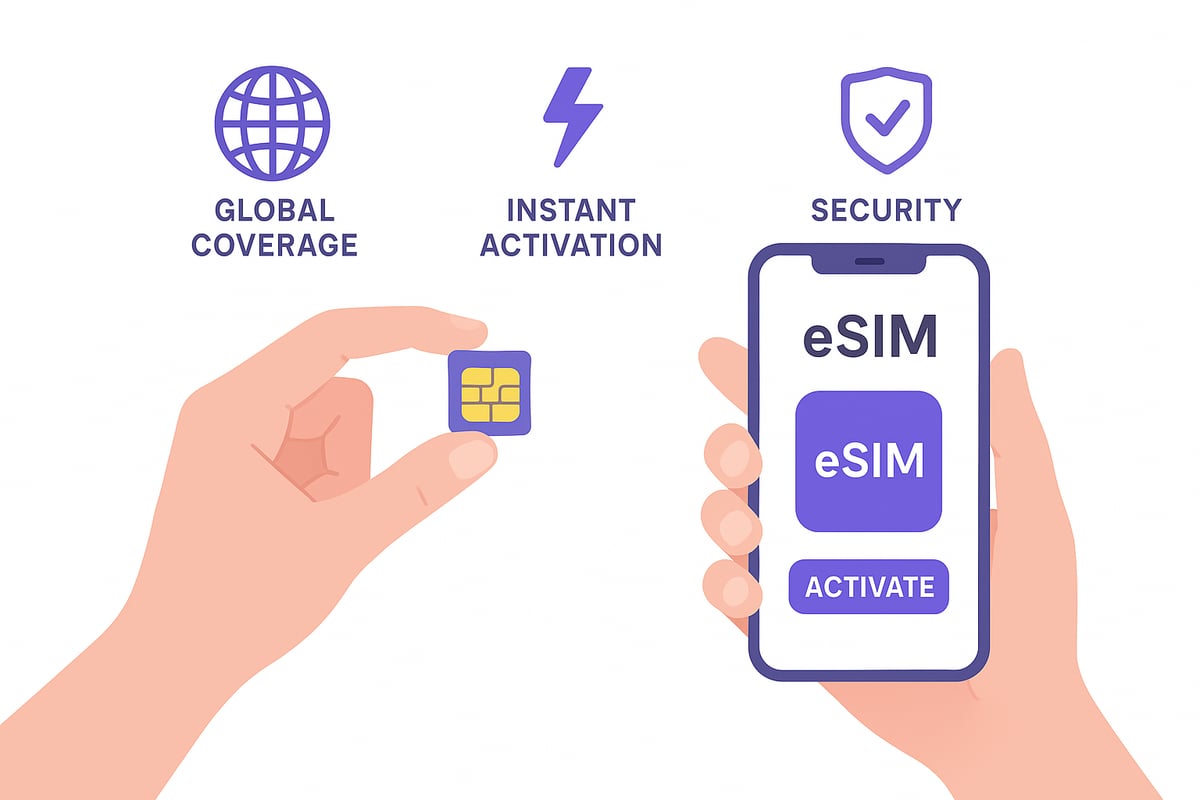
A physical SIM card is a tiny, removable chip that stores your phone’s network credentials. To use one, you must insert it into your device, which means swapping cards every time you change providers or countries.
Before 2024, almost every phone relied on physical SIMs, and they’re still widely supported worldwide. Many travelers remember buying an airalo physical sim at airport kiosks or local shops to get connected in a new country.
Physical SIMs have some clear benefits, like universal compatibility and local phone numbers. They’re often the cheapest option for single-country stays. However, they’re inconvenient for multi-country trips, easy to lose, and require manual handling. Recent data shows that while physical SIMs can offer the lowest rates, they demand in-person setup and extra time.
What is an eSIM?
An eSIM, or embedded SIM, is a digital profile installed right onto your device—no physical card needed. You can activate an eSIM with a simple QR code or through an app, skipping the hassle of hunting for a physical SIM card.
As of 2026, most new phones support eSIMs, including the latest iPhones, Pixels, and Samsungs. For travelers, activating an airalo physical sim eSIM is as easy as opening the app before your plane even lands.
eSIMs let you store multiple profiles on one device, offer instant setup, and are perfect for frequent border-crossers. The main limitation is device compatibility, and some eSIM plans are data-only. Still, Airalo’s eSIMs now cover over 100 countries and are celebrated for their quick, user-friendly activation.
Key Differences in 2026
Let’s compare the airalo physical sim and eSIM options side by side. Here’s how they stack up in 2026:
Feature | Physical SIM | eSIM |
|---|---|---|
Installation | Manual swap needed | Digital, in-app setup |
Device Support | Works on all phones | Needs compatible device |
Plan Flexibility | One per slot | Multiple profiles possible |
Coverage | Local, per country | Regional/global plans |
Security | Can be lost or stolen | Embedded, less risk |
Physical SIMs require you to swap cards in every country, which is a hassle when juggling multiple destinations. eSIMs, on the other hand, let you manage plans from your phone and travel seamlessly. If you want to understand the real challenges of using multiple SIM cards on the road, check out this helpful guide on managing multiple SIM cards abroad.
The airalo physical sim offers strong local coverage, but eSIMs are quickly catching up, with global plans covering up to 124 countries. Security is also a step up with eSIMs, since they’re embedded in your device and harder to tamper with. Industry data projects that eSIM adoption will surpass 70 percent of new devices by 2026, making digital connectivity the new norm.
Cost and Value Comparison: Which Saves You More?
Travelers in 2026 have more ways than ever to stay connected abroad. But when it comes to choosing between Airalo physical sim and eSIM, which option truly saves you more money and hassle? Let’s break down the real costs, hidden fees, and user experiences to help you make the smartest choice.
Option | Upfront Cost | Hidden Costs | Best For | Hassles |
|---|---|---|---|---|
Airalo physical sim | Low (local rate) | Time, ID, swaps | Single-country, budget | Manual handling |
Airalo eSIM | Moderate | Few (transparent) | Multi-country, frequent | Device required |
Roaming | Highest | Unpredictable charges | Emergencies, short trips | None (costly) |
Physical SIM Cards: Local Savings, Hidden Hassles
Choosing an Airalo physical sim can be the cheapest route for travelers staying in one country for an extended period. Local rates often mirror what residents pay, and you might find deals at local shops.
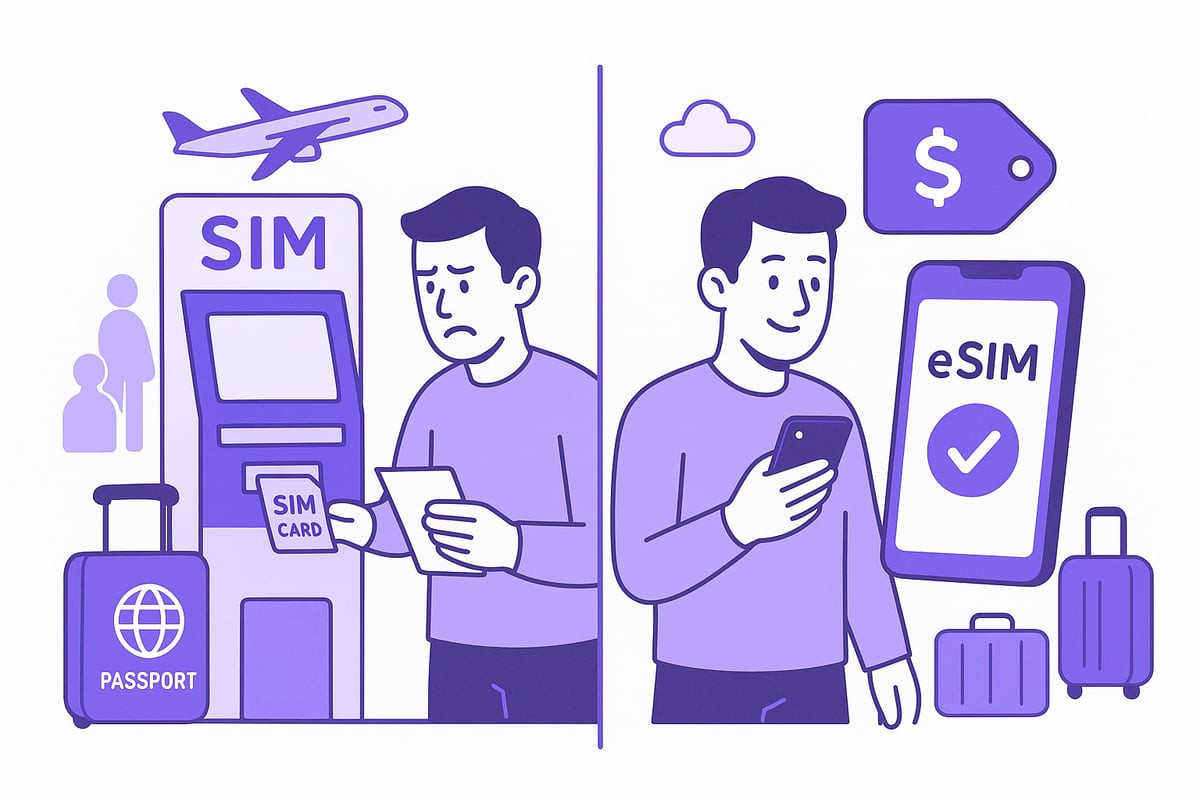
However, the true cost is not just the price on the package. You’ll need to hunt down a store, possibly deal with language barriers, and provide ID for registration. There’s also the risk of overpaying at airport kiosks selling “tourist” SIMs at premium prices.
Hidden hassles add up quickly:
Time spent searching for vendors
Queues and paperwork
Swapping out tiny cards and risking loss
For single-country trips, Airalo physical sim delivers savings up front, but the process can feel outdated and inconvenient for modern travelers.
Airalo eSIM: Competitive Pricing for Global Travelers
Airalo eSIMs change the game for anyone hopping between countries. With prepaid, transparent pricing, you know exactly what you’ll pay—no nasty surprises. Plans are available by country, region, or even globally. For example, $15 can get you 1GB usable in 124 countries.
There’s no need to buy a new Airalo physical sim for every country. Just activate a new eSIM plan in seconds, often before you even land. This is why frequent flyers and digital nomads rave about the value.
Want to explore more affordable eSIM choices? Check out these cheap eSIM alternatives for travelers for even more savings ideas.
For most people, the time saved and the ability to manage everything digitally makes eSIMs a standout value.
Roaming: The Most Expensive Option
Roaming keeps things simple, but your wallet will feel the pain. Most carriers charge high daily fees and unpredictable rates for international data. Unless your trip is extremely short or an emergency, roaming is rarely the best option versus Airalo physical sim or eSIM.
It’s easy, sure, but the cost can balloon fast.
Real-World Scenarios and Data
Let’s put it all together. Suppose you’re traveling across Europe or Asia. Buying an Airalo physical sim in every country means repeating the setup process and paying multiple times. With an eSIM, one plan can cover your whole journey—saving you both money and hours of hassle.
If you’re staying months in one country, a physical SIM might edge out on price. But Airalo’s global eSIM plans are now so competitive that, in many destinations, the gap is almost gone.
In 2026, savvy travelers are finding that eSIMs strike the best balance between cost, convenience, and global flexibility. The days of juggling SIM cards are quickly fading into the past.
Convenience and Setup: Which Option is Easiest in 2026?
Travelers in 2026 want connectivity that’s quick, simple, and reliable. The choice between an airalo physical sim and an eSIM really comes down to how much hassle you’re willing to tolerate versus how much convenience you crave. Let’s break down what setup genuinely looks like for each option.
Physical SIM: Tried-and-True, but Inconvenient
Using an airalo physical sim means you’ll likely be searching for a local shop or kiosk as soon as you land. The process often requires showing your ID, waiting in queues, and sometimes struggling with language barriers. Once purchased, you have to physically swap out your SIM card, which can be tricky on the go.
Risk of losing your original SIM or misplacing the tiny new card.
Not ideal if you need to keep your home number active for banking or two-factor authentication.
Time spent searching for vendors can eat into your travel plans.
While the airalo physical sim approach is familiar, it quickly becomes inconvenient if you’re visiting more than one country or value your time.
Airalo eSIM: Instant, Digital, and Seamless
With an Airalo eSIM, setup is entirely digital. Before you even leave home, you can purchase and activate your plan right from the Airalo app or by scanning a QR code. No physical handling is required. You install your eSIM profile once and can manage multiple plans with just a few taps.
Switching between countries or regions? Simply select a new plan in the app—no hunting for SIM vendors or worrying about losing cards. Reviewers consistently cite “quick and easy setup” as a top reason to choose Airalo eSIM over an airalo physical sim. This digital-first approach is perfect for digital nomads, families, and business travelers who value flexibility.
For a closer look at how eSIM options stack up for European travel, check out the Best eSIM options for Europe travel guide.
Device Compatibility and Limitations
One thing to remember: eSIM requires a compatible device. Most phones released after 2024 support eSIM, so if you have a newer smartphone, you’re set. However, if you’re still using an older device, the airalo physical sim remains your only option.
Physical SIMs work universally, including with legacy phones. This means that for some travelers, especially those with older handsets, the airalo physical sim is still the most practical choice.
Umi: The Next Generation of Global eSIM Convenience
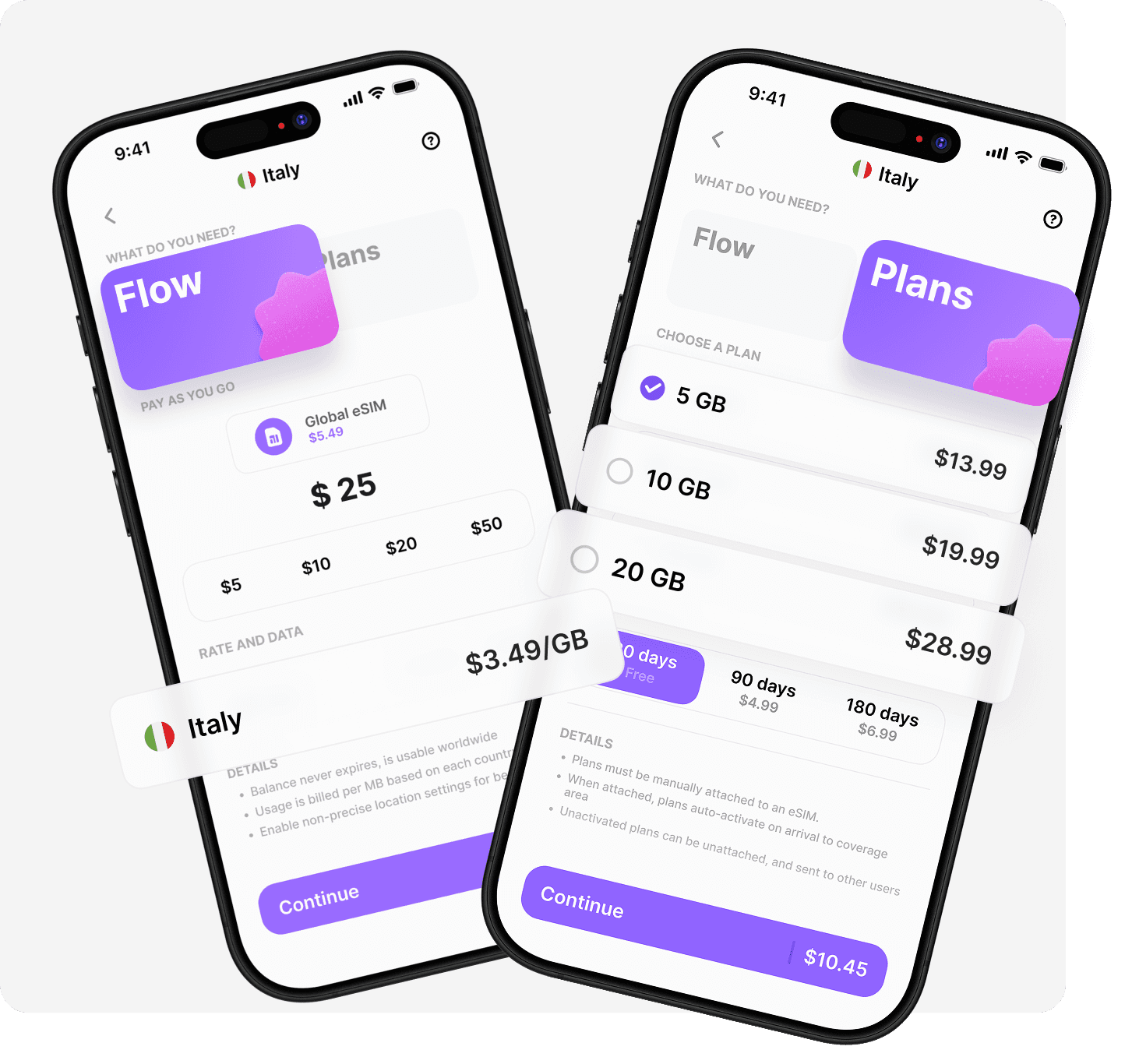
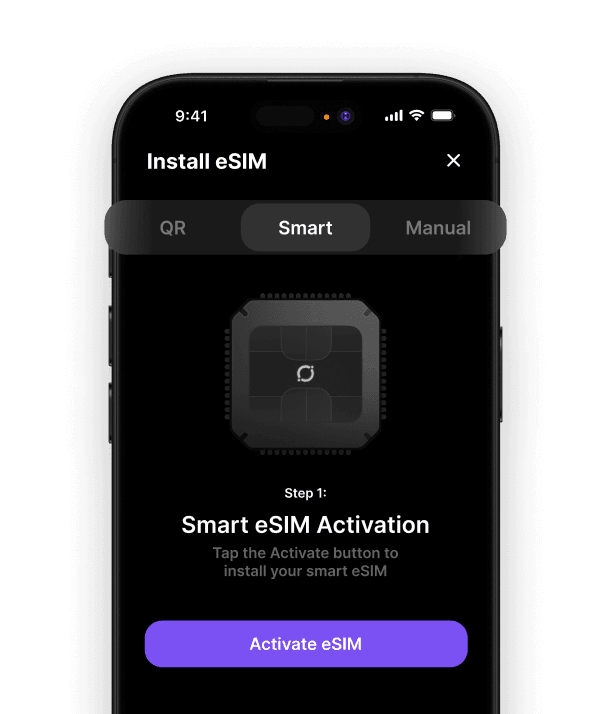
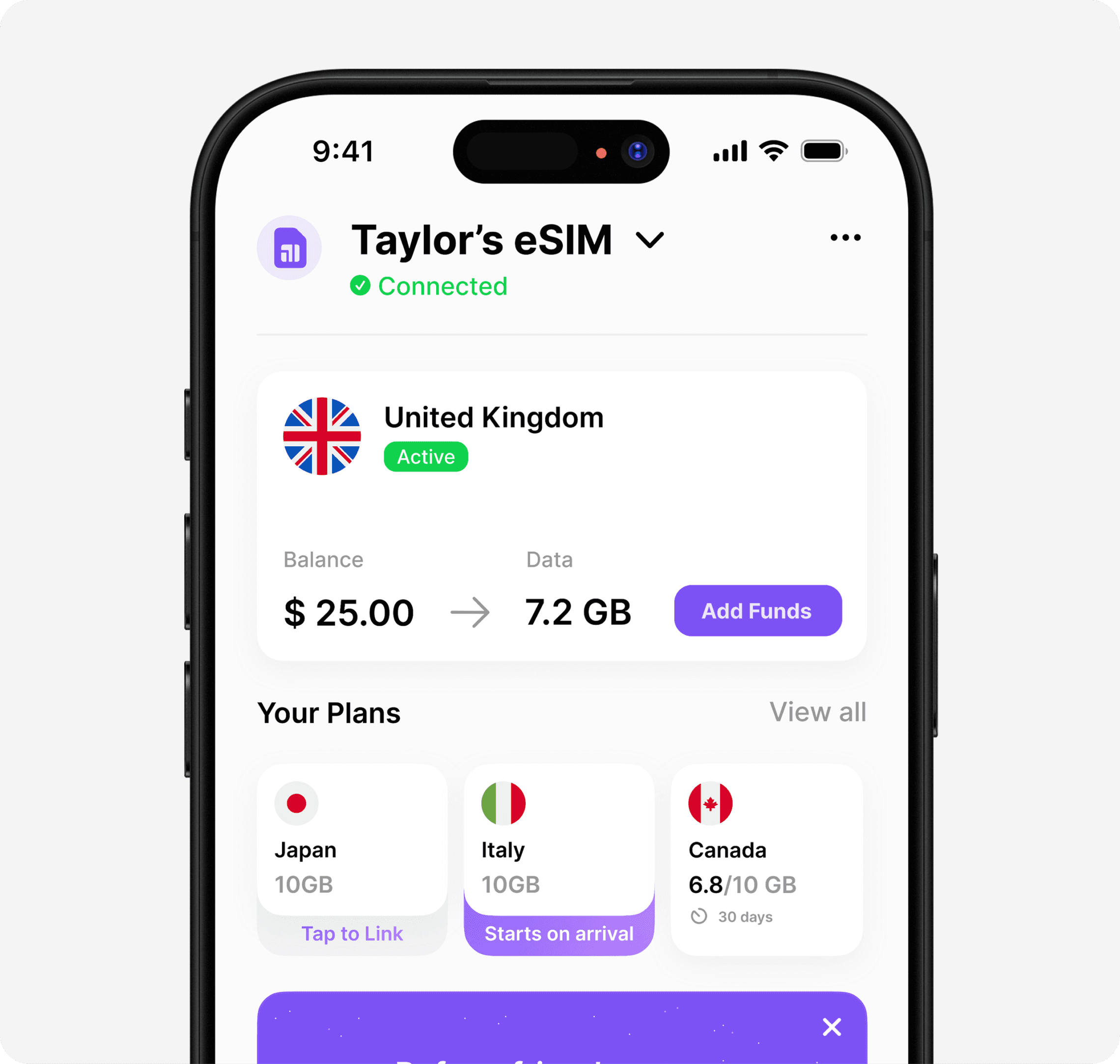
If you want to go beyond the standard Airalo eSIM experience, Umi is leading the way in 2026. Umi offers a single, lifetime global eSIM that works in over 200 destinations. You install it once and use it everywhere, without ever needing to swap cards or buy new plans every trip.
With Umi, you get a flow pay-as-you-go balance, which you can top up and use anywhere, with no expiry or plan switching. Prepaid plans activate on arrival, last up to 180 days, and support sharing data across devices. This level of convenience makes Umi a standout choice compared to an airalo physical sim, especially for frequent travelers or those managing multiple devices.
Coverage, Reliability, and Flexibility: Staying Connected Worldwide
Staying connected across borders in 2026 is easier than ever, but choosing between an airalo physical sim and an eSIM can make all the difference for your travel experience. Let’s break down how each option performs in coverage, reliability, and flexibility—so you can travel with confidence and peace of mind.
Physical SIM: Strong Local Coverage, Limited Flexibility
For many travelers, an airalo physical sim taps directly into local networks. This means excellent speed and signal within a single country, especially in rural or less-developed regions where local carriers dominate.
However, the convenience stops at the border. You’ll need to purchase a new airalo physical sim in each country, which can quickly become a hassle for multi-country itineraries. Managing multiple tiny SIM cards can also be stressful and lead to lost or damaged cards.
Pros of physical SIM:
Strongest local coverage
Often best for rural areas
Simple for long stays in one country
Cons:
Must swap SIMs at each border
Less flexible for rapid or complex travel
Airalo eSIM: Global Reach, Regional Plans, and Seamless Switching
The airalo eSIM is rapidly redefining what global coverage means. With partnerships spanning over 100 countries, one eSIM profile can cover entire continents or even the globe. Switching networks or adding new plans happens instantly in the app, no physical swap needed.
Travelers love how an airalo eSIM covers 124 countries on a single plan, making it the go-to for cross-border journeys. Coverage in major regions now rivals local SIMs, and the ability to adjust plans on the fly is a game-changer.
Curious how Airalo compares to other global options? Check out this helpful Global eSIM provider comparison guide for a detailed look at today’s top solutions.
Flexibility for Multi-Country and Remote Travel
If you’re hopping between countries, the airalo physical sim starts to show its limits. Each new destination requires a fresh purchase and setup. In contrast, eSIMs shine for flexible, multi-country travel—no SIM swaps, just seamless data as you cross borders.
Dual-SIM devices let you keep your home number active while using an eSIM for data. For complex itineraries or frequent border crossings, eSIMs are now the top choice for digital nomads and business travelers. In fact, over 60% of digital nomads in 2025–2026 reported switching to eSIMs for their flexibility.
Physical SIMs still have an advantage in hyper-local rural areas, but eSIM coverage is catching up fast through local partnerships.
Reliability in Cities vs. Rural Areas
Both airalo physical sim and eSIM options offer strong, reliable coverage in urban centers. In rural regions, results can depend on the provider’s network partnerships. The big advantage of eSIM is the ability to switch networks if coverage drops, keeping you connected wherever you roam.
Here’s a quick comparison:
Feature | Airalo Physical SIM | Airalo eSIM |
|---|---|---|
Coverage | Best in single country, rural areas | Global, regional, strong in cities |
Flexibility | One SIM per country | Multi-country, instant switching |
Reliability | Consistent locally | Switch networks as needed |
No matter where your journey takes you, understanding these differences ensures you stay connected, secure, and ready for adventure.
Security, Privacy, and User Control
Security and privacy are top priorities for travelers in 2026. When comparing airalo physical sim options with eSIMs, it's important to understand how each technology protects your data and what level of control you have.
Physical SIM: Physical Risks and Privacy Concerns
Using an airalo physical sim exposes you to certain physical risks. If your device is lost or stolen, someone can easily remove the SIM card and potentially access your mobile account. SIM swap attacks are a real threat, especially if thieves get hold of your phone.
In some countries, registering your airalo physical sim with your passport is mandatory. This can raise privacy concerns, since your identity gets linked to your mobile usage. Manual handling of small SIM cards also increases the chance of misplacing them.
Airalo eSIM: Enhanced Security and Digital Control
Airalo eSIMs take a digital-first approach, embedding your SIM profile securely into your device. Unlike an airalo physical sim, eSIMs can't be physically removed or swapped by someone else, reducing the risk of unauthorized access.
Activation happens through encrypted QR codes or the Airalo app, which adds another layer of safety. For extra privacy, savvy travelers often use a VPN while connected. Still, your protection depends on local network security, so it's smart to stay alert when using public Wi-Fi.
Roaming: Home Network Security, but Third-Party Risks
Roaming keeps your connection under your home carrier's umbrella, but comes with its own set of risks. You may rely on third-party networks abroad, which could introduce privacy gaps. Many travelers end up using public Wi-Fi, which can be less secure than using an airalo physical sim or eSIM data.
User Control and Transparency
eSIM users enjoy robust control, managing plans and data usage directly in-app. With solutions like Airalo and Umi, you can monitor data, top up instantly, and switch plans on the fly. This digital transparency is why 90% of Airalo users in 2025 reported greater peace of mind.
For more on how travelers are embracing eSIMs for security and user control, check out these eSIM adoption trends among travelers.
Real-World Use Cases and Future Trends for Travelers in 2026
Whether you are a seasoned explorer or planning your first big trip, the right connectivity can make all the difference. In 2026, travelers are discovering that both eSIM and airalo physical sim options serve distinct needs. Let’s explore how these solutions fit real-world scenarios and what the future holds.
Frequent Flyers and Digital Nomads
Frequent flyers and digital nomads crave hassle-free internet wherever they go. The airalo physical sim once ruled for flexibility, but now eSIMs like Airalo and Umi offer instant data plans, easy switching, and global coverage.
Seamless plan management in-app
No need to hunt for local SIM vendors
Stay connected across borders without interruption
Digital nomads often mention that eSIMs are essential for staying productive and stress free, making travel less about logistics and more about the journey itself.
Families, Groups, and Business Travelers
Traveling with family or a team? Managing multiple devices with airalo physical sim cards can be confusing and time consuming. eSIMs simplify group travel by allowing data sharing and multi-device management from a single account.
Share data effortlessly between devices
Group plans make budgeting simpler
Avoid the hassle of lost or mismatched SIM cards
With these features, families and business travelers can focus on exploring or closing deals, not on connectivity headaches.
Adventure and Remote Travelers
Heading off the beaten path? In some rural or remote destinations, airalo physical sim cards might still provide the best local signal. However, eSIM options are rapidly improving thanks to local carrier partnerships.
Physical SIMs may offer stronger rural coverage in select areas
eSIMs catch up fast with expanding network agreements
Airalo’s Brazil eSIM is a popular choice for remote towns
No matter your destination, both solutions have their strengths depending on your needs.
The Future: eSIM Adoption and Market Shifts
Looking ahead, eSIM technology is set to dominate. Over 70 percent of new devices in 2026 will support eSIM, and many flagship phones no longer include physical SIM slots. Global eSIM platforms are matching or surpassing airalo physical sim for price, coverage, and convenience.
Instant activation becomes the norm
Flexible, pay as you go plans gain popularity
Market forecast: eSIM-enabled device shipments will exceed 633 million in 2026, fueled by innovations and worldwide adoption. For more details, see the eSIM-enabled device shipments forecast.
As the landscape shifts, travelers can expect even greater freedom, flexibility, and control over their global connectivity.
After weighing up the real-world pros and cons of physical SIMs and eSIMs, it’s clear that staying connected in 2026 is all about ease, flexibility, and peace of mind. If you’re ready to skip the SIM swaps, endless plan juggling, and roaming surprises, there’s a smarter way forward. With a single global eSIM like Umi, you and I can finally enjoy seamless data in over 200 places—no more headaches, just travel freedom. Curious how it works and how it could make your next adventure smoother? Explore Umi's features.












" height="15.96587083656648px" id="gUt8q3MIs" width="13.557999603271485px"/></svg>)