How to Switch eSIM Providers: A Simple Guide (2026)
Written By:
Umi
TL;DR: Embracing eSIM in 2026
The transition to eSIM technology in 2026 makes connecting to new mobile networks seamless and effortless, eliminating the need for physical SIM cards.
Key benefits include instant network switching, enhanced security, multiple profile support, and significant reduction in plastic waste.
Challenges include device compatibility and regional carrier support disparities, requiring thorough checks before switching.
Future trends assure further advancements and regulatory standardization, enhancing the ease of global connectivity.
Imagine stepping off a plane in 2026, your phone automatically connecting to the local network within seconds. No more searching for SIM cards or waiting in long lines at airport kiosks. The world of switching esim has made travel and staying connected effortless.
In this guide, we’ll walk you through everything you need to know to make a smooth transition to eSIM technology. You’ll find the latest trends, step-by-step instructions, and practical solutions for any challenges that may come up.
Ready to unlock seamless connectivity, avoid disruptions, and stay ahead of the curve? Let’s get started on your journey to smarter mobile freedom.
Understanding eSIM Technology in 2026
Imagine a world where connecting to a new mobile network is as simple as a few taps. That’s the promise of eSIM, a technology that’s changed how we think about mobile connectivity. In 2026, switching esim is no longer just a tech buzzword—it’s a daily reality for most of us.
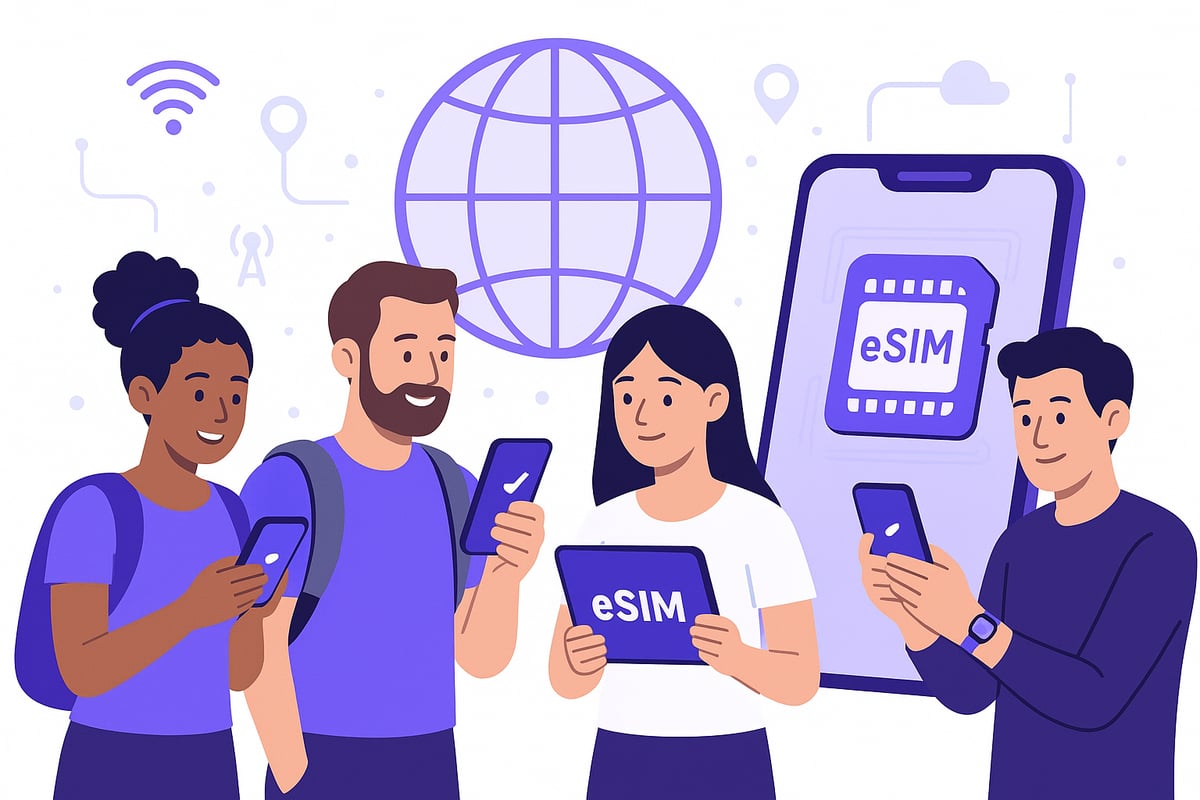
What is an eSIM and How Has It Evolved?
An eSIM, or embedded SIM, is a tiny chip built directly into your device, replacing the need for physical SIM cards. This technology first appeared in the early 2020s and has rapidly evolved. From 2020 to 2026, eSIM adoption has skyrocketed, thanks to faster activation, improved security, and support from almost every major carrier.
Devices like Apple’s eSIM-only iPhones and Android phones have helped push this technology forward. By 2026, 85% of smartphones are eSIM-ready, according to GSMA Intelligence. This surge is part of a broader shift as telecom companies embrace digital-first experiences. In fact, forecasts show that eSIM-enabled device shipments will exceed 633 million in 2026. For anyone considering switching esim, these advancements mean a smoother, faster, and more secure experience than ever before.
Benefits of Switching to eSIM
Switching esim brings a host of benefits designed for our modern, mobile lifestyles. You can instantly switch networks or activate a new plan remotely, making it perfect for travelers and remote workers. No more fiddling with tiny SIM cards or searching for kiosks in foreign airports.
Key benefits include:
Remote provisioning with just a QR code or app.
Enhanced security features, such as remote locking and wiping.
Support for multiple profiles, so you can keep work, travel, and personal lines separate.
A significant reduction in plastic waste, making it an eco-friendly choice.
Business travelers, for instance, save both time and money, avoiding roaming charges and SIM card swaps. With switching esim, staying connected is easier and greener.
Challenges and Considerations in 2026
Despite its many perks, switching esim does have some challenges. Device compatibility can still be an issue, especially with older or legacy models. Not all carriers offer full eSIM support, and plan availability may vary by region.
Other considerations include:
Data privacy concerns when migrating contacts and settings.
Regulatory differences, with some countries requiring extra identity verification steps.
Migrating personal data smoothly during the switch.
For example, some regions mandate additional electronic Know Your Customer (eKYC) checks before activation. As you think about switching esim, it’s important to check your device, carrier, and local regulations to ensure a smooth transition.
Preparing for Your eSIM Switch: Devices, Compatibility, and Carriers
Getting ready for a smooth switching esim experience in 2026 starts with some simple checks and smart preparation. Before you make the leap, let's explore how to set yourself up for seamless connectivity, no matter where your travels or work take you.
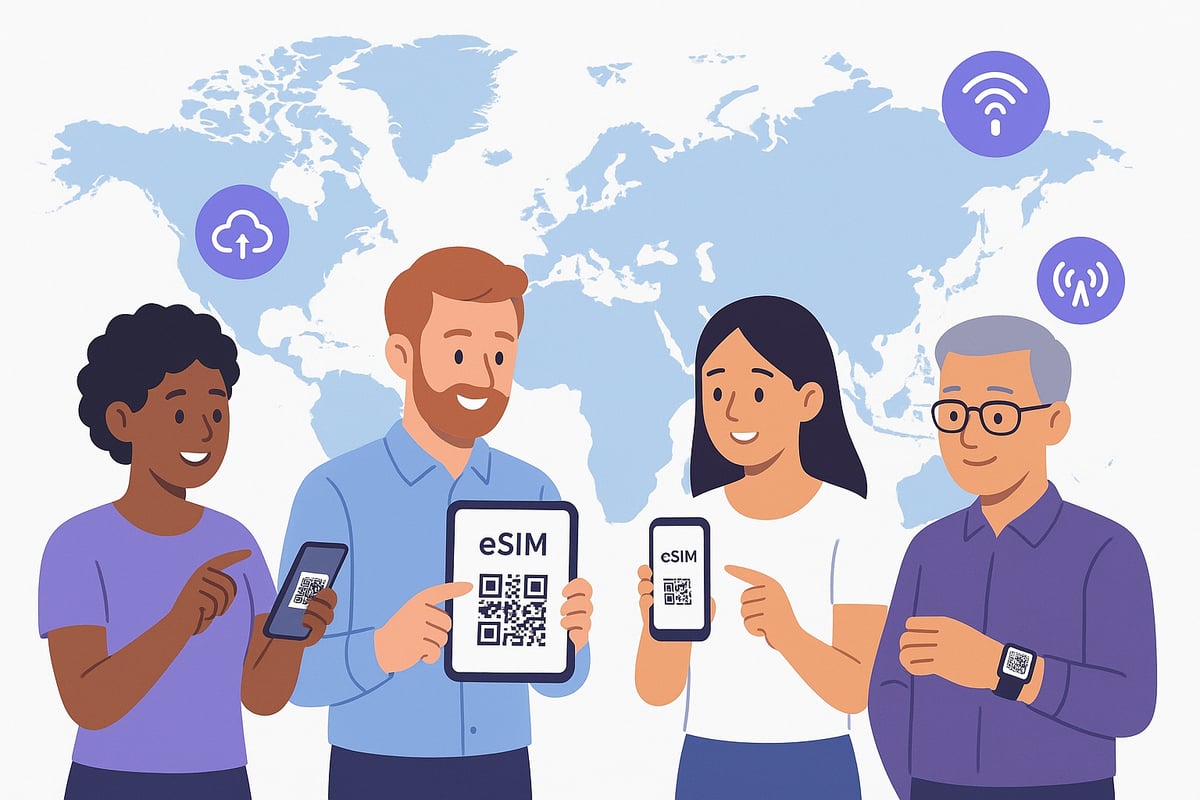
Checking Device Compatibility
The first step in switching esim is making sure your device is ready for the upgrade. Most new smartphones, tablets, and wearables in 2026 come with eSIM support built in, but it's important to double-check your specific model.
Popular eSIM-ready devices include the Samsung Galaxy S26, Apple iPhone 18, and Google Pixel 12. If you own an older device, look up your model's specs or visit the manufacturer's support page for compatibility details. Many brands now offer upgrade programs, making it easier to trade in and step up to eSIM-capable hardware.
To verify, go to your device's settings and search for "eSIM" or "Mobile Networks." If you see options to add or manage eSIM profiles, you're set for switching esim. Manufacturer websites and community forums are also great resources for guidance.
Evaluating Carrier Support and Plans
Once your device is ready, the next part of your switching esim journey is choosing the right carrier and plan. In 2026, nearly all major carriers support eSIM, but it's smart to confirm their coverage and plan options in your region.
Compare data, pricing, and roaming features across different providers. Some carriers offer eSIM-only plans designed for travelers, while others let you mix and match local and international data. For a deeper dive into the best choices for travelers, check out Best eSIM options for travelers.
Here's a quick carrier comparison table:
Carrier | eSIM Support | Roaming Options | Special Features |
|---|---|---|---|
GlobalTel | Yes | Worldwide | Multi-profile support |
FastConnect | Yes | Regional | Prepaid data packs |
LocalMobile | Yes | Limited | Affordable local rates |
With 92% of global carriers offering eSIM by 2026, you have plenty of choices for switching esim with confidence.
Backing Up Data and Preparing for Migration
Before starting the switching esim process, back up all your important data. This includes contacts, messages, and app settings. Use cloud solutions like Google Drive, Apple iCloud, or Samsung Cloud for a stress-free experience.
Modern operating systems in 2026 often include automated migration tools, making it simple to transfer everything to your new eSIM profile. Double-check that your backup is complete before you deactivate your old SIM or eSIM.
There are also dedicated apps that help streamline data transfer and backup, reducing the risk of losing important information during switching esim. Taking these steps ensures all your data comes with you on your connectivity journey.
Umi: The Smart Global eSIM Solution
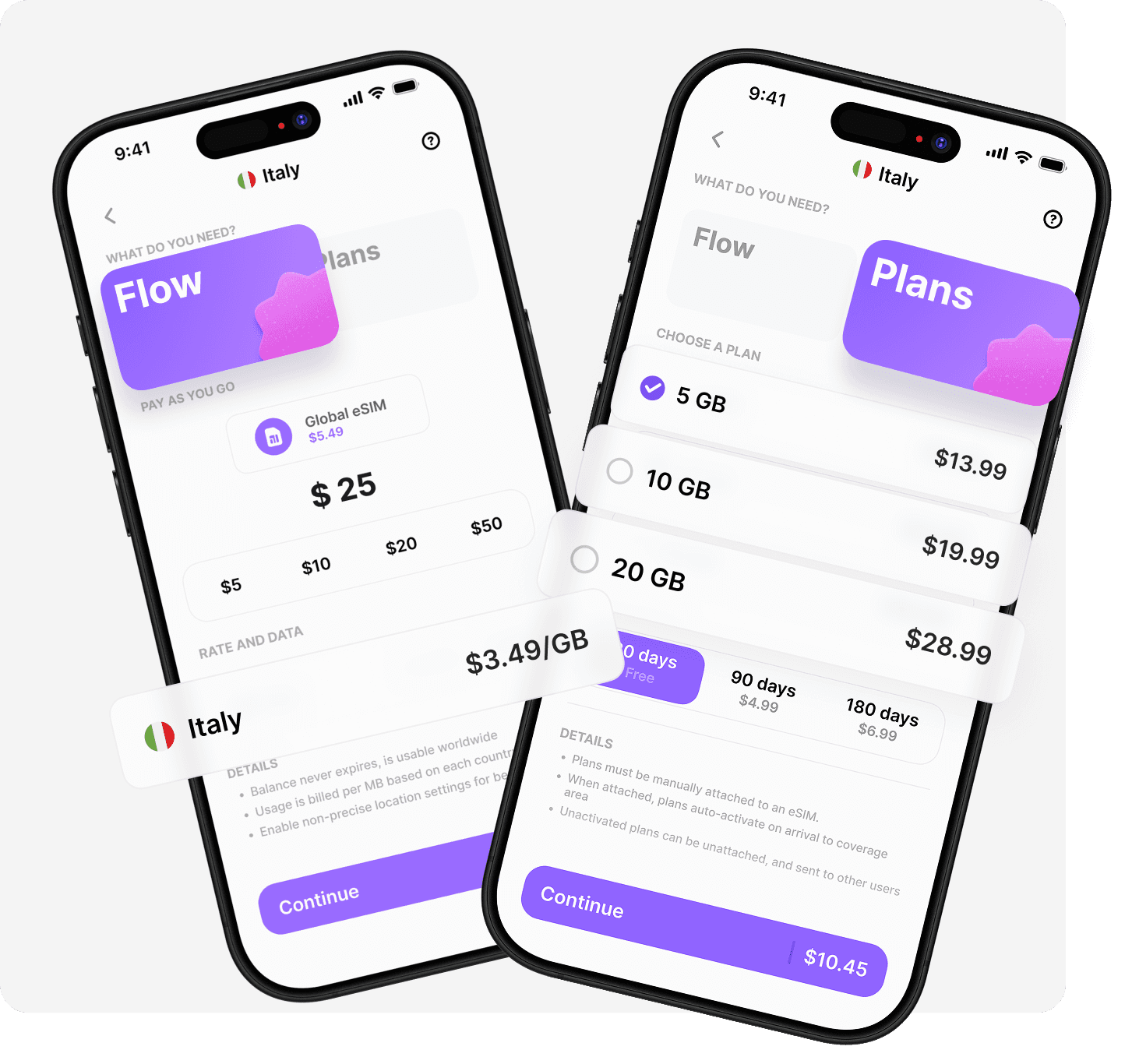
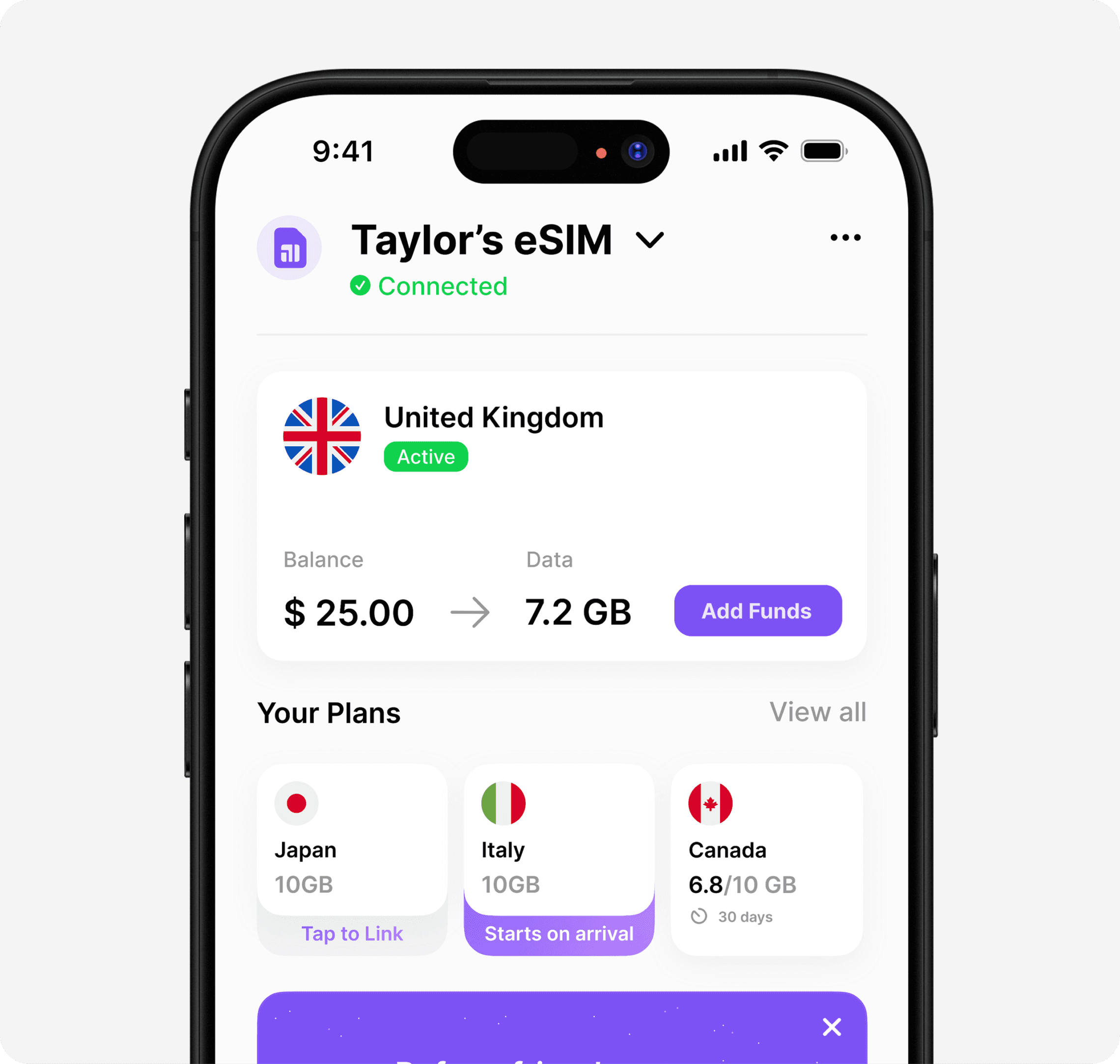
Umi provides a lifetime global eSIM, giving you instant access in more than 200 countries. Manage your switching esim needs with a single app, flexible prepaid plans, and no hidden roaming fees. Umi supports multiple devices, allows data sharing, and puts you in control—all from one easy-to-use platform. It's a perfect companion for travelers, remote workers, and anyone seeking seamless global connectivity.
Step-by-Step Guide: How to Switch Your eSIM Seamlessly in 2026
Ready to make switching esim as simple as a tap? Whether you are traveling, upgrading, or just looking for more flexibility, this step-by-step guide is designed for you. We will walk through each stage so you can switch with confidence and stay connected wherever you go.
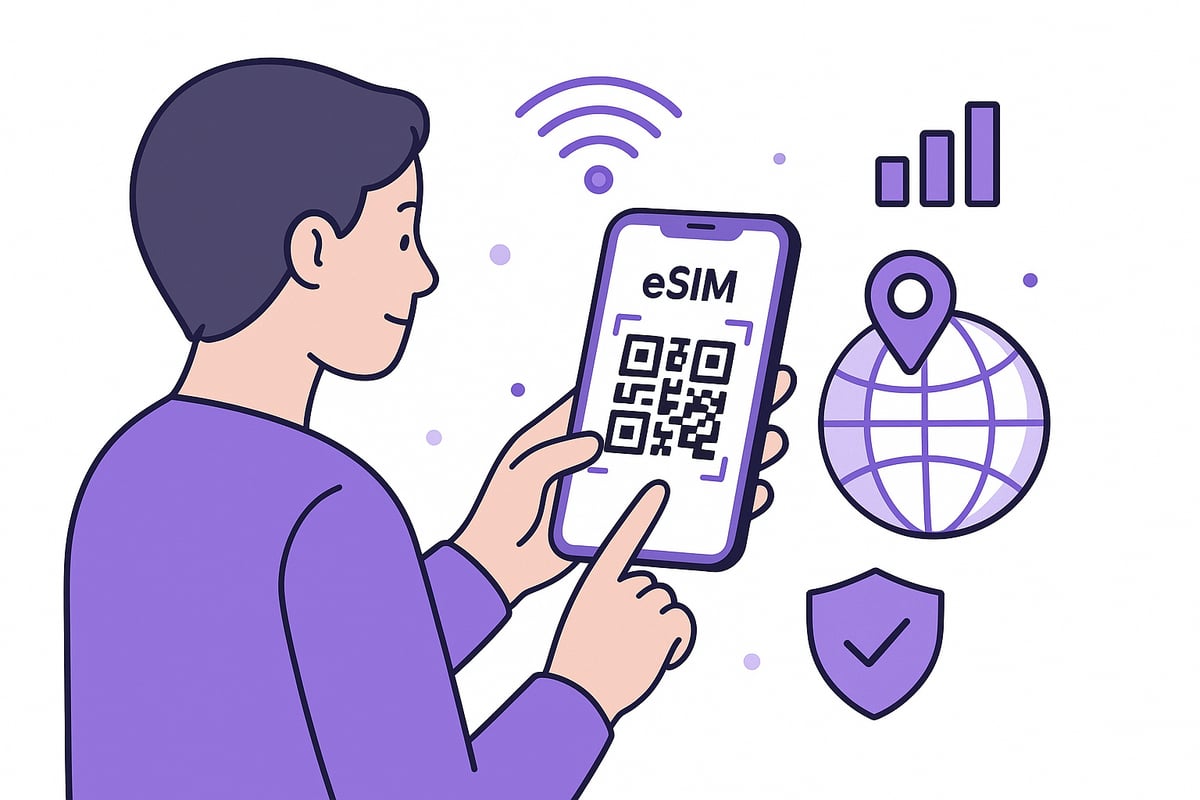
Step 1: Obtain Your New eSIM Profile
The first step in switching esim is to request your new eSIM profile from your carrier or provider. In 2026, most carriers offer instant eSIM activation via QR codes, activation codes, or direct downloads through their apps.
Check your provider’s app or website for instructions on how to access your eSIM. Some services even send activation links to your email for easy retrieval.
If you are looking for affordable options during this process, consider reviewing Cheap eSIM plans worldwide to compare plans and find the best deal for your needs.
Make sure the eSIM profile you select matches your device type and travel destination before moving forward.
Step 2: Deactivate Old SIM or eSIM Profile
Before fully switching esim, it is important to deactivate your current SIM or eSIM profile. Start by backing up any remaining data, such as contacts or messages, to your cloud account or device storage.
Navigate to your device’s settings, select the mobile network menu, and choose the profile you wish to remove. Confirm deactivation to prevent conflicts during your new eSIM setup.
Once your old profile is removed, your device is ready for a fresh start and a smooth transition.
Step 3: Install and Activate Your New eSIM
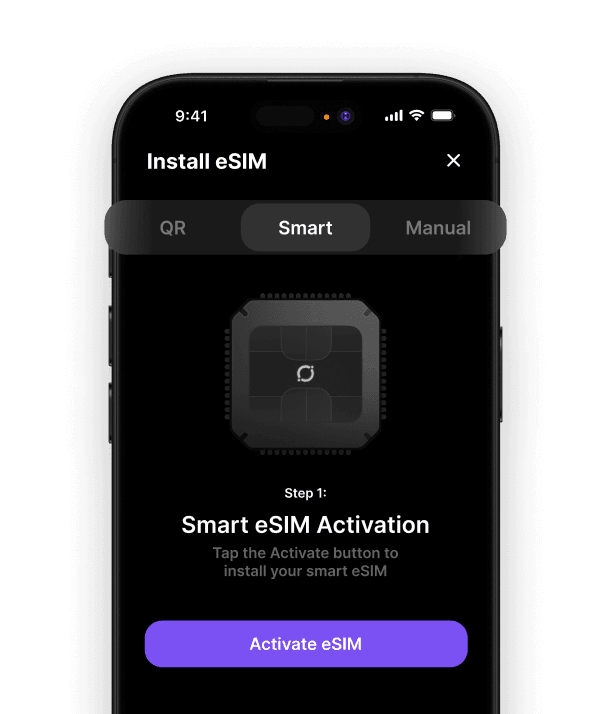
Now it is time for the most exciting part of switching esim: installation and activation. Open your device’s camera or eSIM management app and scan the QR code or enter the activation details provided by your carrier.
Follow the on-screen instructions to complete the installation. Many devices now support instant activation using NFC or app-based provisioning, making the process faster than ever.
If you encounter installation errors, double-check that your device model matches the eSIM profile and that your internet connection is stable. Reach out to carrier support if needed for manual provisioning.
Step 4: Configure Network and Data Settings
After switching esim, set your new eSIM as the default for data, calls, and texts. Open your device’s network settings to adjust APN and network preferences, ensuring seamless connectivity.
If you have dual SIM capability, you can assign primary and secondary roles for different lines, such as work and personal. Use your operating system’s built-in tools to manage and prioritize multiple profiles for maximum flexibility.
Test your settings by browsing online or making a quick call to confirm everything is working as expected.
Step 5: Test Connectivity and Functionality
The final step is to test all aspects of your new eSIM. Make a test call, send a few messages, and use a speed test app to check data performance.
Verify that essential services like hotspot and tethering work correctly. Use your carrier’s diagnostic tools if you notice any issues with connectivity or features.
Once all tests are successful, you are officially set up for uninterrupted mobile service—no matter where you are in the world.
Troubleshooting Common eSIM Switching Issues
Switching esim profiles in 2026 is designed to be seamless, but sometimes things don’t go as planned. If you hit a roadblock, don’t worry—you’re not alone, and most issues can be resolved with a few practical steps. Let’s walk through the most common problems users face and how to overcome them.
Activation and Installation Problems
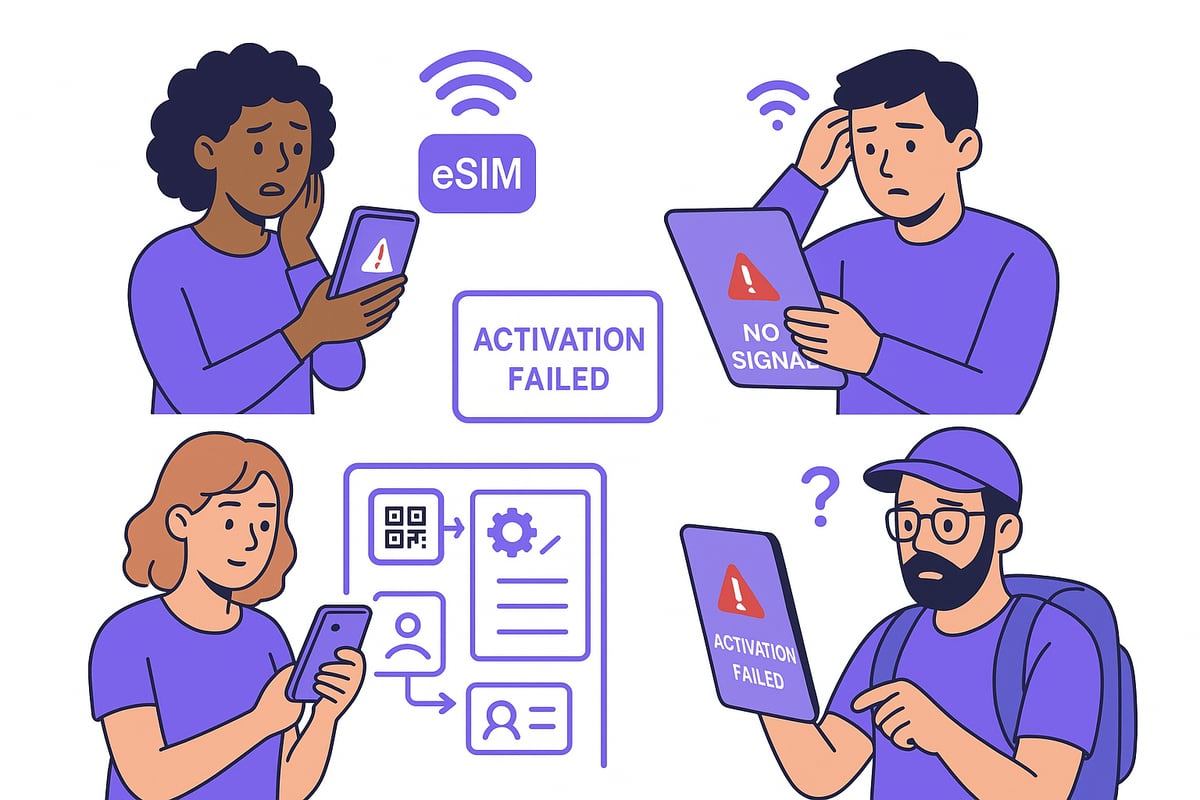
During switching esim, activation can occasionally fail. Common error messages include “Profile Not Supported,” “Activation Failed,” or “QR Code Expired.” These problems often occur if your device is not updated, the QR code is incorrect, or your carrier’s server is down.
To resolve these, double-check that your device software is up to date and the eSIM profile matches your device model. Try rescanning the QR code or entering the activation code manually. If you’re still stuck, restart your device and attempt the process again.
If errors persist, reach out to your carrier’s support team. They can provide manual provisioning or issue a new activation code. Don’t forget to consult your device’s support resources for model-specific guidance.
Connectivity and Network Issues
After switching esim, you might notice no signal, weak connectivity, or frequent network drops. This can happen if your new eSIM is not set as the default for data or calls, or if you’re traveling in a region with limited carrier support.
Start by opening your device’s settings and manually selecting the network. If you’re abroad, check if your plan includes roaming and if the local carrier is supported. For example, when traveling to France, you can review eSIM data plans in France to ensure smooth connectivity.
Diagnostic apps can help identify signal issues. If problems persist, try switching to another available network or contact your carrier for further troubleshooting.
Data, SMS, and Call Functionality
Sometimes, after switching esim, data doesn’t work or you can’t send SMS or make calls. This could be due to incorrect APN settings, dual SIM conflicts, or services like VoLTE and Wi-Fi calling not being enabled.
Make sure you’ve set your new eSIM as the default for data, calls, and texts. Check APN settings provided by your carrier and enable all necessary services in your device’s network settings.
If you’re using multiple profiles, prioritize the correct one for your main tasks. Most issues resolve after restarting your device and double-checking settings.
Security and Privacy Concerns
With switching esim, your profile’s security is crucial. Always enable device-level security, such as PINs or biometric locks, to protect your eSIM data.
If your device is lost or stolen, use remote locking and wiping features to secure your information. In 2026, most devices support quick remote actions through cloud accounts or manufacturer apps.
Stay updated on security best practices to keep your eSIM safe and your connectivity uninterrupted.
Future-Proofing Your Mobile Connectivity: Trends Beyond 2026
The world of mobile connectivity is evolving at lightning speed, and staying ahead of the curve is easier than ever. As we look beyond 2026, switching esim will become second nature for most of us. Let’s explore the most important advancements, regulatory trends, and practical steps you can take to keep your mobile experience future-ready.
eSIM Advancements and Next-Gen Features
By 2026 and beyond, eSIM technology is set to introduce even more remarkable features. The next generation, sometimes called eSIM 2.0, promises faster profile provisioning and real-time multi-device syncing. Imagine switching esim profiles between your smartphone, smartwatch, and even your car without any delay.
Integration with IoT devices is expanding rapidly. Smart home appliances, wearables, and connected vehicles are all adopting eSIM for unified connectivity. AI-driven recommendations will help users pick the best data plans based on real-time usage. According to the eSIM adoption in smartphones forecast, nearly all new smartphones will support eSIM by 2030, making the process of switching esim effortless for everyone.
Regulatory and Industry Developments
Regulatory bodies worldwide are working toward harmonizing eSIM standards, making global travel and device interoperability much simpler. Universal eSIM profiles are on the horizon, potentially allowing a single eSIM to work seamlessly across multiple regions and carriers.
Recent updates in the EU and Asia-Pacific regions show a commitment to smoother transitions, with forecasts predicting eSIM adoption rates reaching 95 percent by 2028. For a deeper dive into what’s driving these changes, check out these eSIM market growth projections. As these regulations take effect, switching esim will become even more intuitive and secure.
Consumer Tips for Staying Ahead
How can you stay prepared for the future of mobile connectivity? Begin by regularly updating your device firmware and carrier apps, as these updates often include the latest eSIM features and security enhancements. Keep an eye on industry news so you’re the first to know about new switching esim capabilities or provider changes.
Choose providers who are committed to future-ready eSIM support and who offer robust customer service. Early adopters often benefit from enhanced security protocols and feature rollouts, so don’t be afraid to explore new options. Staying proactive ensures your mobile connectivity remains seamless, secure, and ready for whatever comes next.
Maximizing the Benefits of eSIM: Best Practices for Travelers and Remote Workers
Traveling or working remotely in 2026? Unlocking the full potential of eSIM means more than just making the switch. Let’s explore best practices that help you stay connected, save money, and keep your data secure, all while making switching esim a breeze.
Managing Multiple eSIM Profiles
One of the top advantages of switching esim is the ability to juggle several profiles on a single device. Instead of carrying multiple phones, you can store personal, work, and travel numbers together and switch between them in seconds.
Many 2026 devices let you label and prioritize profiles directly in your settings. For example, you might set your work eSIM as primary during the week and your travel eSIM when landing abroad. App-based management tools make it easy to add, remove, or temporarily disable profiles.
Here’s a quick table summarizing profile management options in 2026:
Task | Device Menu | App-Based Tool |
|---|---|---|
Add profile | Yes | Yes |
Set priority | Yes | Yes |
Temporary disable | Yes | Yes |
Delete profile | Yes | Yes |
Switching esim profiles this way keeps your digital life organized and always ready for the next adventure.
Optimizing Data Usage and Costs
Switching esim can help you avoid high roaming fees and tailor your plan to your needs. Start by monitoring your real-time data usage using built-in device tools or carrier apps. Many travelers choose pay-as-you-go or prepaid eSIM plans for extra flexibility.
Did you know that international data costs can drop by 30–50% with local eSIM options? Compare carriers’ offers based on your destination, and remember, most major providers now support eSIM-only plans. For more on regional adoption and savings, check out eSIM adoption in North America for valuable insights.
With switching esim, you can easily swap profiles to the best local plan, keeping costs low and connectivity high wherever your work or travels take you.
Security, Privacy, and Backup Strategies
Security matters, especially when switching esim profiles often. Enable two-factor authentication for your device and lock your eSIM profiles with strong passwords. Always back up your profiles and settings to the cloud using services like Google, Apple, or Samsung for quick recovery if your device is lost.
Cloud-based eSIM management tools simplify backup and restoration, so you’re never left stranded. Stay alert to SIM swap fraud by using profile locks and monitoring your account for suspicious activity.
By following these switching esim security steps, you’ll protect your information and enjoy peace of mind as you move from city to city or country to country.
We’ve covered a lot together, from understanding the ins and outs of eSIMs in 2026 to prepping your device and making a seamless switch. If you’re excited to experience hassle free global connectivity wherever you go, Umi could be your perfect travel companion. With one eSIM that works in over 200 destinations, flexible pay as you go or prepaid plans, and no roaming fees or plan switching, you’re in control no matter where life takes you. Let’s explore how Umi can make your next transition even easier—Explore Umi's features.












" height="15.96587083656648px" id="gUt8q3MIs" width="13.557999603271485px"/></svg>)