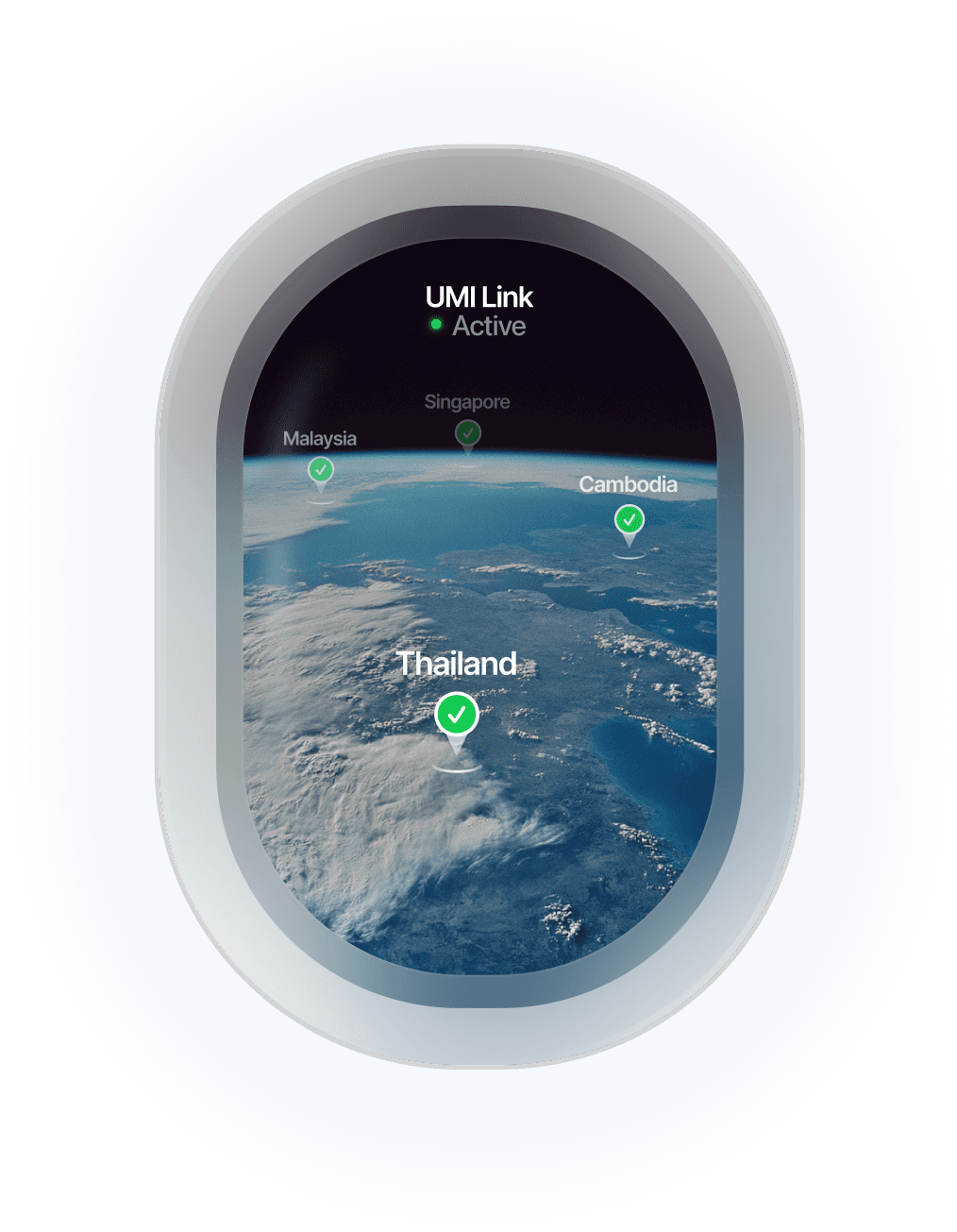
Pocket WiFi vs eSIM: Which Is Better for Travel?
Written By:
Umi

In the pocket WiFi vs eSIM debate, an eSIM wins for most travellers because it lives on the phone you already carry. There is no rental device to collect, no second battery to charge, and nothing to post back. Pocket WiFi still earns its place for a group sharing one connection on a tight budget. This guide weighs convenience, cost, and sharing so you can pick with confidence.
What is the difference between pocket WiFi and an eSIM?
A pocket WiFi is a small rental router that creates a WiFi hotspot you connect your devices to. An eSIM is a digital SIM that downloads straight onto your phone and gives that phone its own mobile data. One is extra hardware you carry and return. The other is software you install once and forget.
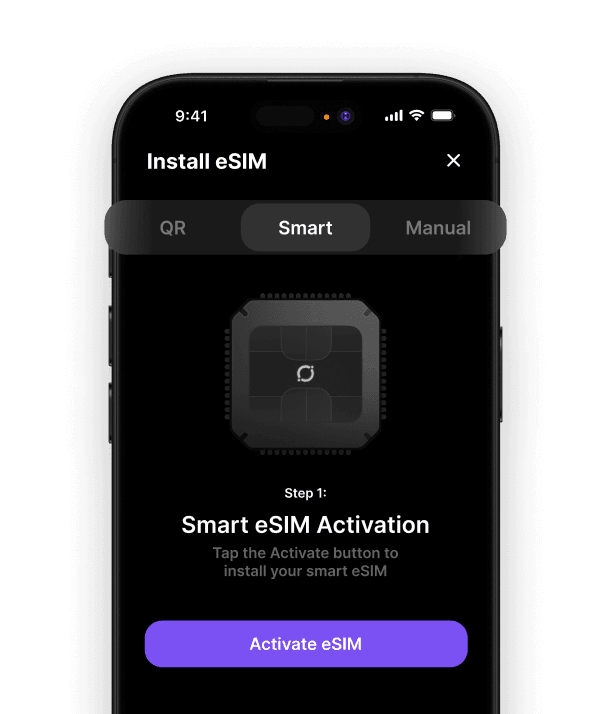
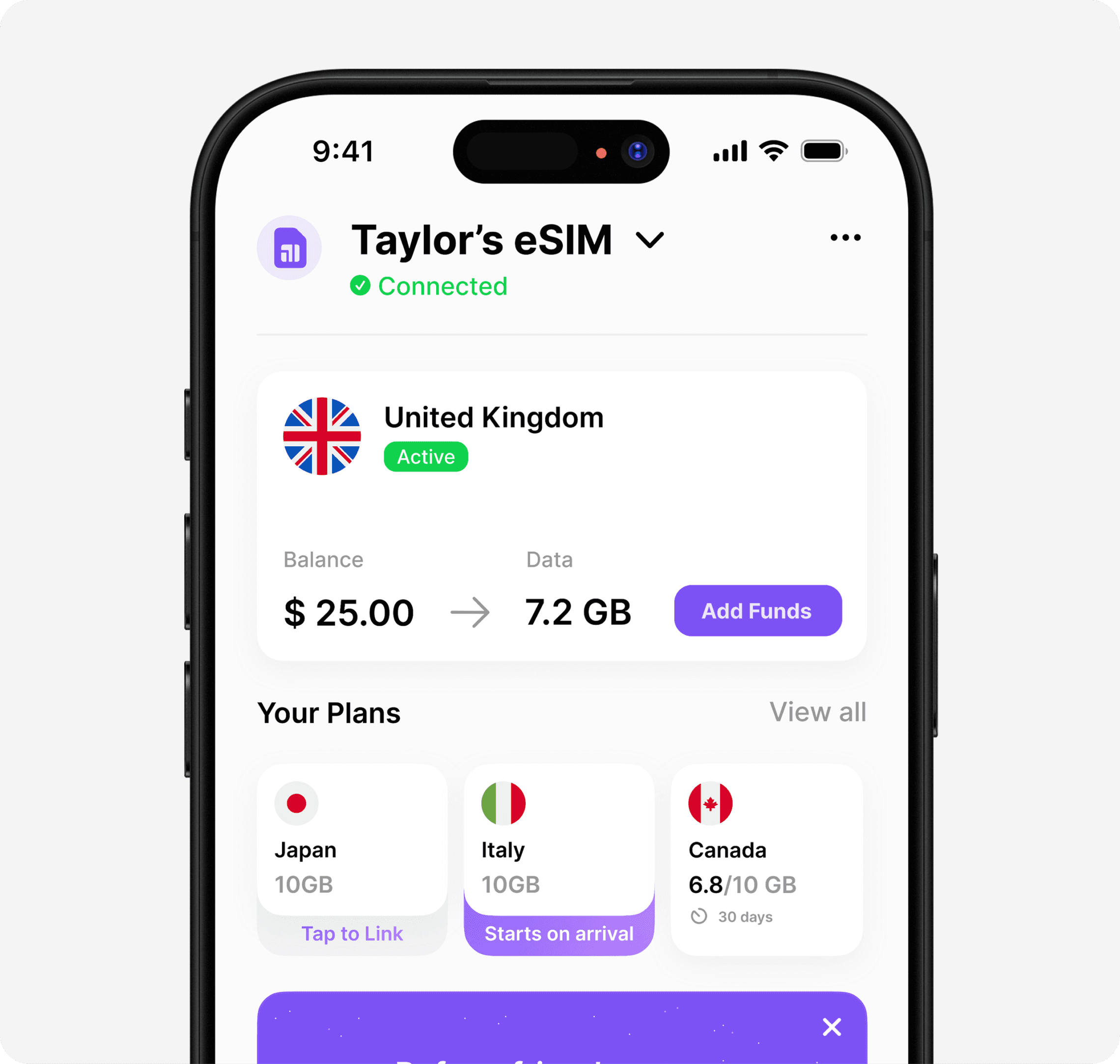
That difference drives everything else. With pocket WiFi you collect a device at an airport counter or have it posted out, keep it charged all day, and return it on time or pay a penalty. With an eSIM such as Umi's Universal eSIM, you install once in under 60 seconds before you fly and arrive already connected, with nothing physical to manage. For the other half of the picture, see our guide to eSIM vs physical SIM.
Should I get an eSIM or pocket WiFi?
For solo travellers and couples, get an eSIM. It removes the rental queue, the deposit, and the daily worry of a device running flat or going missing. You travel lighter and you are online the moment you land. Pocket WiFi makes more sense only when several people need to share one connection cheaply.
The deciding question is how many devices need data and how long the trip runs. A pocket WiFi shares one connection across a whole group, which can suit a family on a single short trip. An eSIM gives each phone its own reliable line, and with Umi you can still share to a partner's phone or a laptop over the hotspot. Japan is the classic pocket WiFi market, and our best eSIM for Japan guide runs the numbers for that trip. If your trip spans more than one country, the eSIM pulls further ahead, because the same Universal eSIM replaces a local SIM at every border instead of a new rental in each place.
Is pocket WiFi or an eSIM cheaper?
It depends on how you travel, so neither is cheaper in every case. Pocket WiFi charges a flat daily rental whether you use it or not, which can work out per person for a group on one short trip. An eSIM bills only for the data you use, so it tends to be cheaper for light, irregular, or multi-country travel.
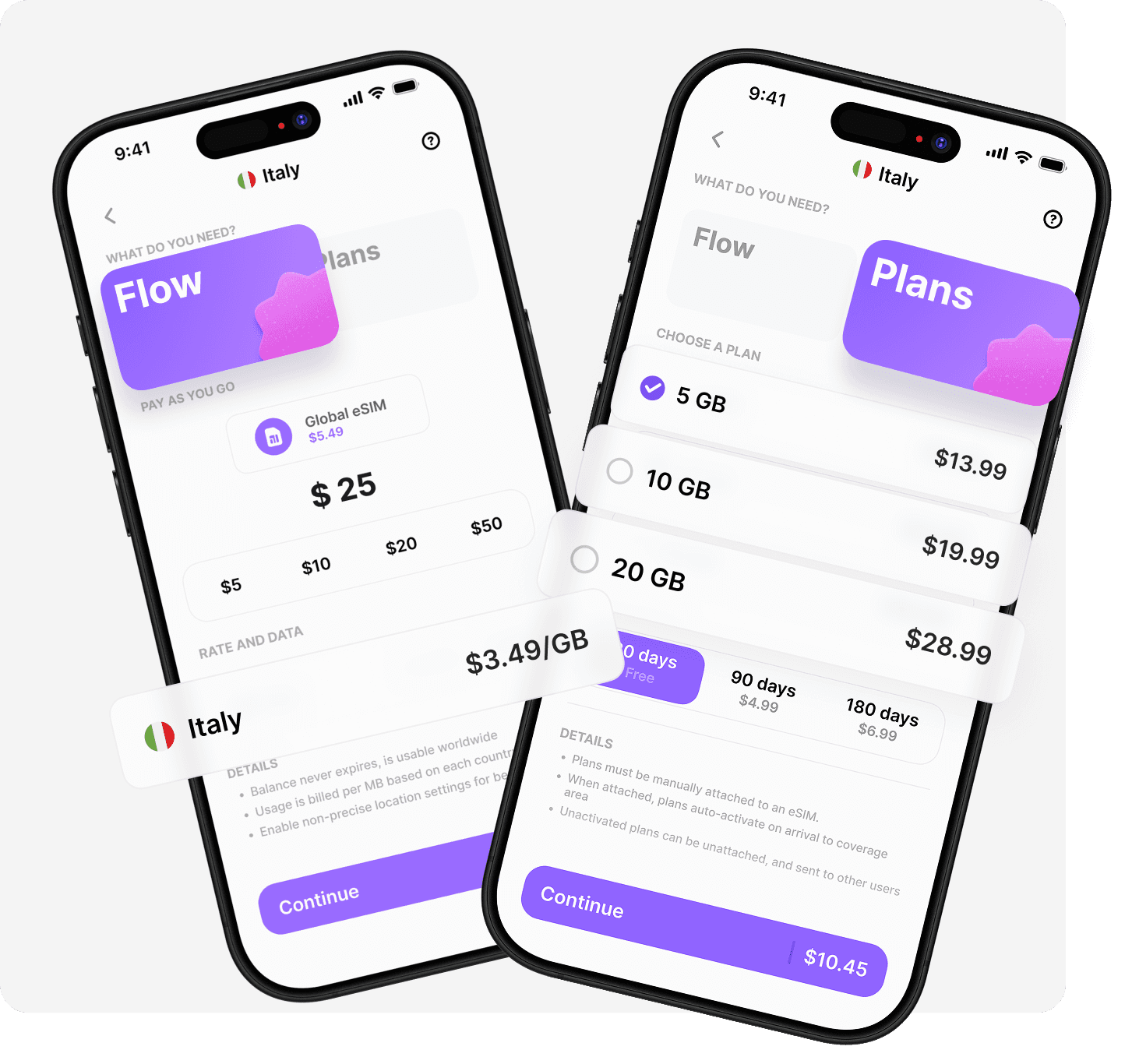
Umi's Flow balance is pay-as-you-go from $2.55/GB on the global baseline, and you draw it down only as you use data. A pocket WiFi keeps charging its daily fee on the days you barely touch it, on the flight home, and on the day you forget to return it. The honest framing is this: for one heavy-use trip shared across several devices, a flat rental can compete on headline cost. For everything else, paying for the data you actually use usually costs less, and with Umi the balance never expires so nothing you buy goes to waste.
What are the disadvantages of pocket WiFi?
The main disadvantages of pocket WiFi are the hardware and the logistics. It is a second device to collect, carry, and charge, and a flat shared connection that drains faster the more people lean on it. You also have to return it on time, and a late or lost unit usually means a penalty or a held deposit.
There are practical catches too. If you wander out of range of the device, your phone drops offline, so the whole group has to stay together. Battery life limits a full day of sightseeing unless you also carry a power bank. And the rental clock runs from pick-up to drop-off, including travel days at both ends when you may not need data at all.
Is there a downside to an eSIM?
The main downside is compatibility: your phone must support eSIM, though most models from the last few years do. You also install it digitally, so you need a few minutes and a connection to set it up, ideally on home WiFi before you fly. Once it is on the phone, there is nothing else to manage.
For a single phone, a pocket WiFi can spread one connection across several devices at once, which an individual eSIM does not do by default. Umi closes that gap with unlimited hotspot and tethering, so one eSIM can share its connection to a laptop or a travel companion's phone. Note that "unlimited" hotspot means there is no separate tethering cap, not that the data itself is uncapped, since you still draw from your Flow balance or Plan.
Can pocket WiFi use an eSIM?
Some newer pocket WiFi devices can take an eSIM rather than a physical SIM, but that misses the point of carrying one at all. If a device runs on an eSIM, you can usually install that same eSIM directly on your phone and skip the extra hardware, the charging, and the return. The router becomes a middleman you do not need.
The one case for keeping a separate device is sharing a single data source across many devices without using your phone's battery, for example a family tablet, a partner's phone, and a laptop all at once on a long day out. Even then, weigh it against an eSIM with unlimited hotspot, which does the same job from a phone you are already carrying.
Pocket WiFi vs eSIM: which should you choose?
Choose an eSIM if you are travelling solo or as a couple, crossing more than one country, or you simply want to land connected with nothing to return. Choose pocket WiFi only if a group needs one shared connection on a single short trip and no one minds carrying and charging a device. For most people, the eSIM is the simpler and lower-risk choice.
Here is the head-to-head at a glance:
Factor | Umi Universal eSIM | Pocket WiFi rental |
|---|---|---|
Setup | Install once in under 60 seconds, before you fly | Collect at a counter or wait for postal delivery |
Extra hardware | None, it lives on your phone | A separate router to carry |
Battery | Uses your phone | A device plus charger to keep topped up |
Returns | Nothing to return | Return on time or risk a penalty |
Coverage on a multi-country trip | One eSIM across 200+ destinations | Often tied to one country or region |
Sharing | Unlimited hotspot to other devices | Shared by design across the group |
Leftover value | Flow balance never expires, carries to the next trip | Rental ends, nothing carries over |
Billing | Pay only for data used, from $2.55/GB baseline | Flat daily fee, used or not |
The pattern is clear. Pocket WiFi is built around a device and a rental clock. An eSIM is built around your phone and the data you actually use. For travellers who go more than once, the never-expiring Flow balance is often the deciding factor, since the data you do not use this trip is still there for the next one. Long-term and multi-country travellers can dig deeper in our guide to the best eSIM for digital nomads.
Travelling soon? Install your Universal eSIM and top up a Flow balance before you fly, so you land connected with nothing to collect and nothing to return.












" height="15.96587083656648px" id="gUt8q3MIs" width="13.557999603271485px"/></svg>)